

Not Like This: Is It Time for a New Counterculture? ☮️
Something about the way we’re living no longer feels true — maybe it’s time we do something about it.


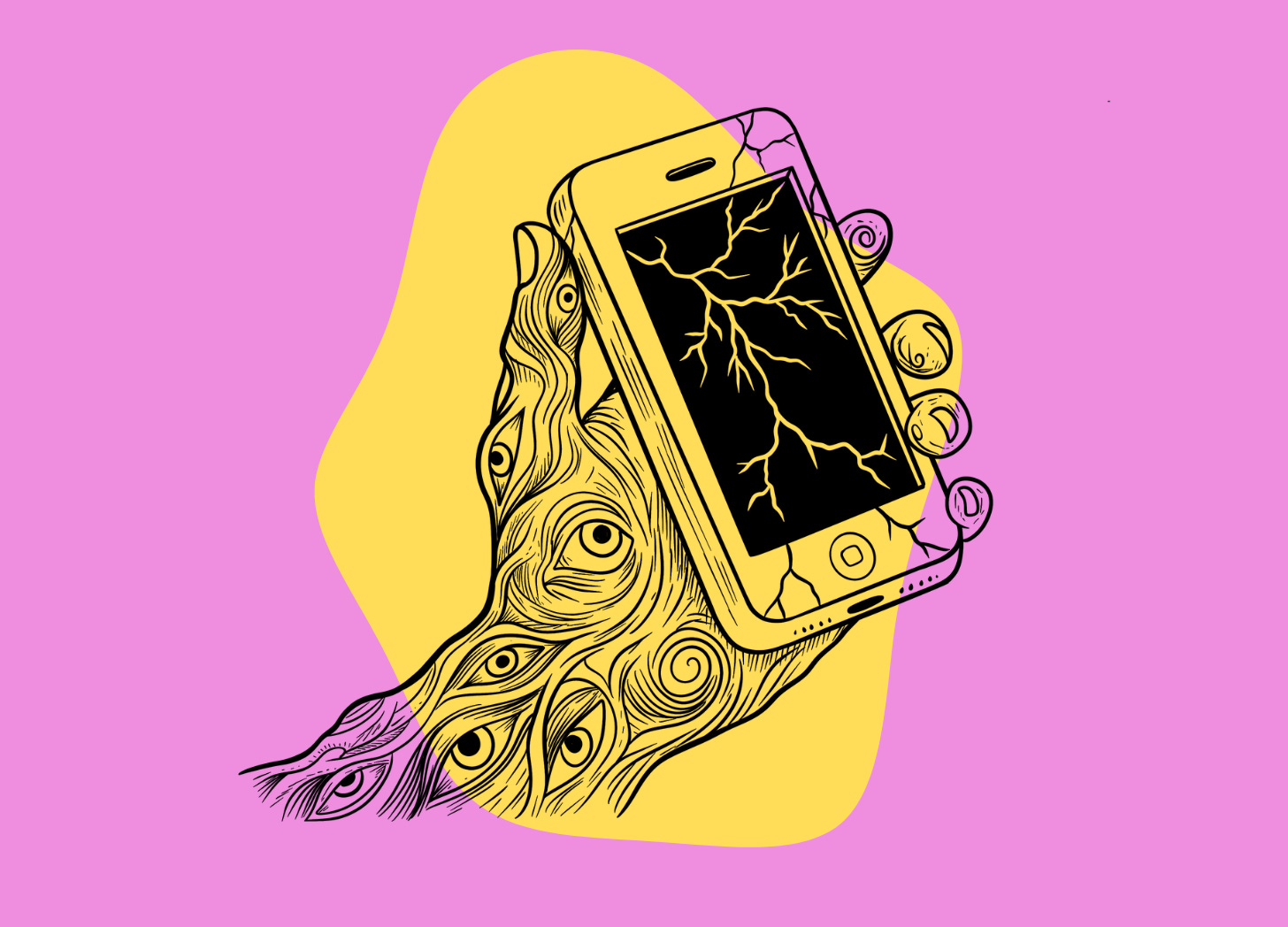
A counterculture isn’t just a style, a sound, or a political stance. It’s what forms when a large enough group of people realize that the dominant way of living doesn’t make sense anymore.
It isn’t born from rebellion for its own sake. It emerges when the values a society claims to uphold — freedom, dignity, truth, opportunity — no longer align with everyday lived experience.
When that gap grows wide enough, people don’t just argue. They change how they live their lives.
Historically, countercultures have acted like pressure valves. They appear during periods of moral contradiction, institutional failure, and psychological strain.
They reject authority not because authority exists, but because it’s lost its credibility.
These inflections inspire new art, new communities, and new ways of thinking about what a meaningful life should look like. The point isn’t to overthrow society overnight, but to remind it of the values it’s forgotten.
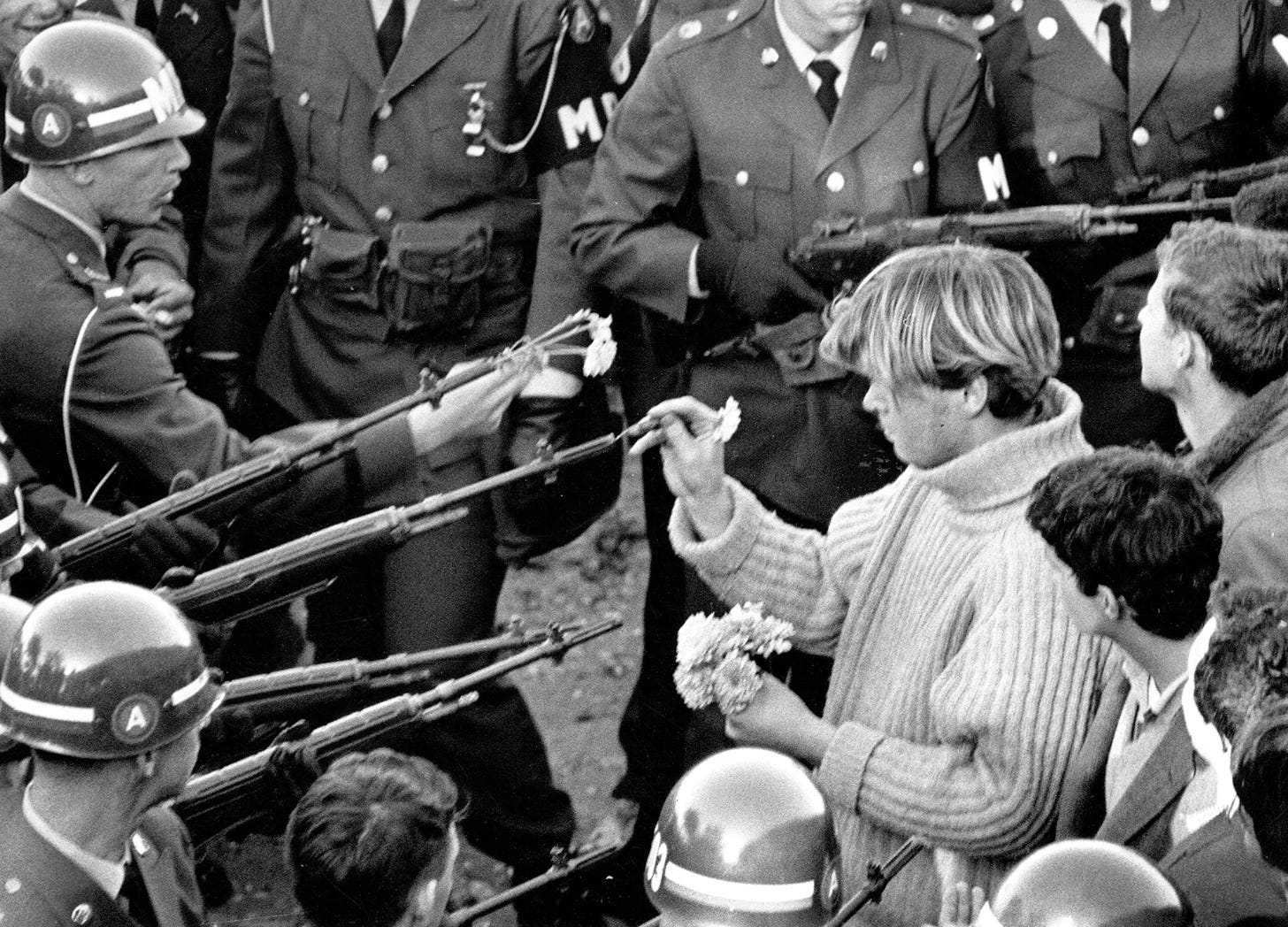
The counterculture of the 1960s and 70s didn’t arise from peace and prosperity. It was shaped by war, political violence, racial injustice, and a growing sense that the official story was dishonest and delusional.
Psychedelics accelerated this awakening — stripping away inherited illusions, and replacing them with a renewed, sense of what was truly important. Things we already knew deep down in our guts without having been told about them — I’m talking about love, connection, and meaning.
Today, we find ourselves in another moment of dissonance. There is no single defining war, no draft, no unified enemy. Instead, there is a constant low-grade pressure — economic insecurity, environmental anxiety, increasing technocratic control, and a sense that our attention (and even our inner lives) are being quietly mined and monetized.
We’re exhausted.
We doomscroll instead of reflect. We consume instead of create. We comply and go through the motions as though we have no real agency over our lives.
This post isn’t about politics. It’s about culture. A reflection about a question that comes from deep within the psychedelic community — a question many of you have likely been thinking about too:
“Is it time for a new counterculture?”
Learning From The Past: The 1960’s Counterculture
The counterculture of the 1960s and 70s didn’t begin as a movement — it started as a loss of faith.
Faith in the government, the media, and authority itself.
This was a generation that stopped believing that the people in charge were telling the truth — about war, about freedom, about what a good life was supposed to look like.
The Vietnam War shattered the idea that authority was moral by default. Political assassinations, flat-out racism, and exposed government deception made that distrust unavoidable.
LSD and magic mushrooms — which were widely circulating at the time — merely acted as an accelerant.
They stripped away pre-existing psychological protocols, leaving room for direct experience. For the first time, people saw, with clarity, that the hierarchies they’d been raised to accept were arbitrary and unhelpful, often violent, and inhumane.
What followed was far more than a simple protest. It was a complete refresh of society. A mix of older, timeless values, like communal living and spiritual exploration — enhanced with new music, new art, and alternative social norms as people tried (imperfectly) to live in ways that felt more honest and true.
That counterculture didn’t win through violence or force. It didn’t overthrow institutions overnight. But it did shift the culture in a big way and continues to leave real, lasting marks on society.
In the end, the counterculture helped end an unjust war. It boosted the civil rights movement by expanding public awareness and brought a renewed sense of moral urgency. It redefined what society considered acceptable (in relationships, in creativity, and in spirituality). Most of all, it reduced society’s tolerance for obvious bullshit.
It challenged the abuse of authority, expansionist militarism, and mindless consumption.
But it also failed in important ways.
As the war ended, momentum faded. We gradually replaced collective purpose with personal liberation, grounding with escapism, and integration with indulgence.
Much of the culture proved easy to aestheticize, commodify, and absorb back into the very system it opposed.
The lesson here isn’t that the counterculture itself was naïve or misguided — it’s that any awakening without reconstruction and deep, ongoing integration simply doesn’t last very long.
Why This Time Is Different (And the Same)
In some ways, the conditions that led to the last counterculture are appearing all over again.
Trust in institutions has eroded. Political messaging feels disconnected from lived reality. Younger generations sense that the system isn’t designed for their flourishing — only for their monetization.
But this time is also different in a few important ways.
There’s no single defining war, and no draft — the pressure is more diffuse and constant. It forms an ongoing buzz in the back of our collective thoughts — a low-grade anxiety we can’t escape.
Economic uncertainty, environmental catastrophe, constant and intrusive surveillance, and an extractive digital ecosystem we can’t possibly escape.
Our attention has become a commodity — something others can harvest and profit from — rather than a garden we cultivate for ourselves.
The counterculture that forms in response to these conditions is going to be inherently different than the last one.
Where the previous generation rebelled outward, many now turn inward — numbing themselves or quietly opting out. The result isn’t mass protest and collective action — but fragmentation and disconnection.
Once again, the values society claims to uphold — freedom, dignity, justice, opportunity, truth — are drifting away from how life actually feels. There’s a growing sense that something important is being stolen from us — even if it’s getting harder to name what that thing actually is.
The absence of a visible counterculture doesn’t mean the conditions for one aren’t present. It may simply mean the pressure is being absorbed internally rather than expressed outwardly by the collective.
It’s time to change that.
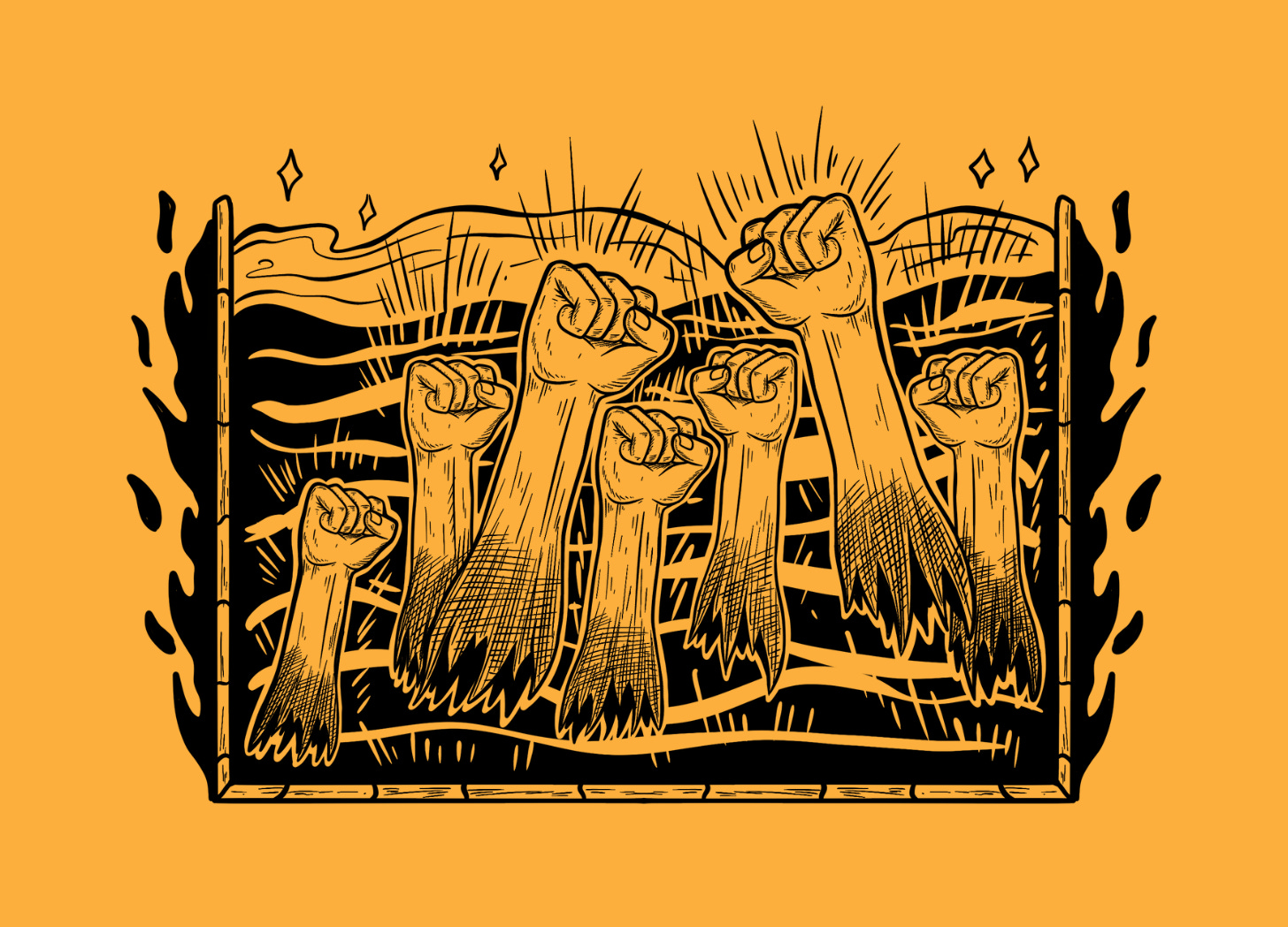
The Missing Counterculture Problem
If the conditions for a counterculture are present, why doesn’t it feel like one has formed?
In previous eras, countercultures formed in shared spaces. Im talking about real ones. Not the digital echo chambers flooded with bots, trolls, and driven purely by vanity metrics.
These were places where people gathered in person, repeatedly. Where they took risks together, argued, collaborated, and slowly developed a common language and set of values. Scenes mattered because they created friction, accountability, and continuity.
We have far fewer of those spaces now.
Most of the places where culture once formed — cafés, venues, bookstores, classrooms, collectives — have been replaced or hollowed out by digital environments optimized for isolation. We are technically more connected than ever — but paradoxically more alone at the same time.
Building real communities is too expensive and takes too much effort. Digital communities are far easier to scale. But the depth they lack matters — a lot.
These platforms don’t overtly discourage authenticity, but they do reward imitation. Their incentive structures favor mimicry over sincerity.
This has shifted the way we think and act in noticeable ways.
Expression is less about what we actually feel or believe, and more about how it will be received, how it will perform, and how it positions us socially.
Even psychedelics — once a catalyst for cultural replenishment — have been annexed into this system. What were once used to disrupt our assumptions and refresh our sense of self have been reduced to “lifestyle optimization,” personal branding, and escapist relief.
Without integration, ethics, and shared context, altered states don’t challenge the system — they just help us cope with it.
That’s not good enough.
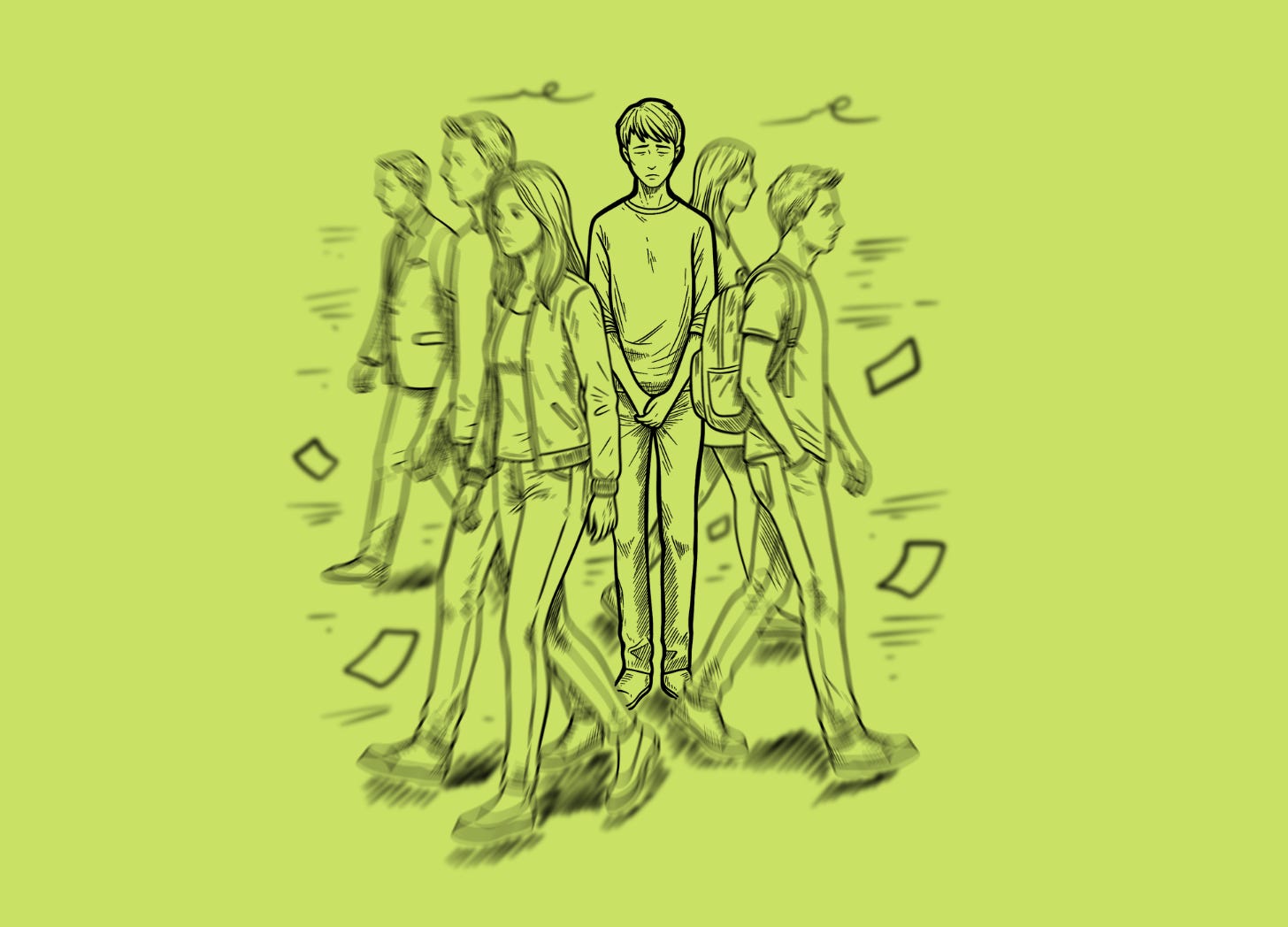
Remembering To Be Human
The point of a counterculture isn’t to reject modern life or retreat into nostalgia. It’s to remember what culture, technology, and institutions are meant to serve in the first place — human beings.
That remembering starts small and snowballs over time.
It begins with how and where we give our attention. In how we show up for one another. In whether we allow ourselves to give up real meaning for the empty rewards of vanity metrics and performance.
If another counterculture is coming — and history suggests one always does — it won’t announce itself with slogans or aesthetics. It will form organically in shared spaces.
The challenge, then, isn’t to post more — it’s to participate. Join something real. In person, not online.
Find a community and show up regularly. A reading group. A skill-sharing circle. A class. A studio. A hiking group. Anything.
The Integral theorist Ken Wilber's "Boomeritis" may be of useful for investigation into the ways the counterculture of the '60's fell short, where it was successful and how a modern movement may be successful
I'm glad that you posted this. It's about time that the western psychedelic community, which initially stole so much from indigenous communities, is recognizing that our modern disconnection and lack of in person community has drained us of safety because individualism is not the human model. You only thinly refer to the mess and violence that we are experiencing right now. The psychedelic community must figure out how to align with pro-human pro-earth pro-connection activism in a more concerted way. I'm both an activist and a psychedelic therapist. My clients are freaking out about the world, including the ones who do psychedelic therapy. Like other health care workers and healers, the psychedelic community must become activists or the freedom to heal, no matter who we are, will be denied.