

The King of Acid: Owsley “Bear” Stanley & the Psychedelic Underground
He taught himself to make flawless LSD, bankrolled the Grateful Dead, smuggled acid in bus station trunks, and invented the Wall of Sound — all before vanishing into the Australian bush.


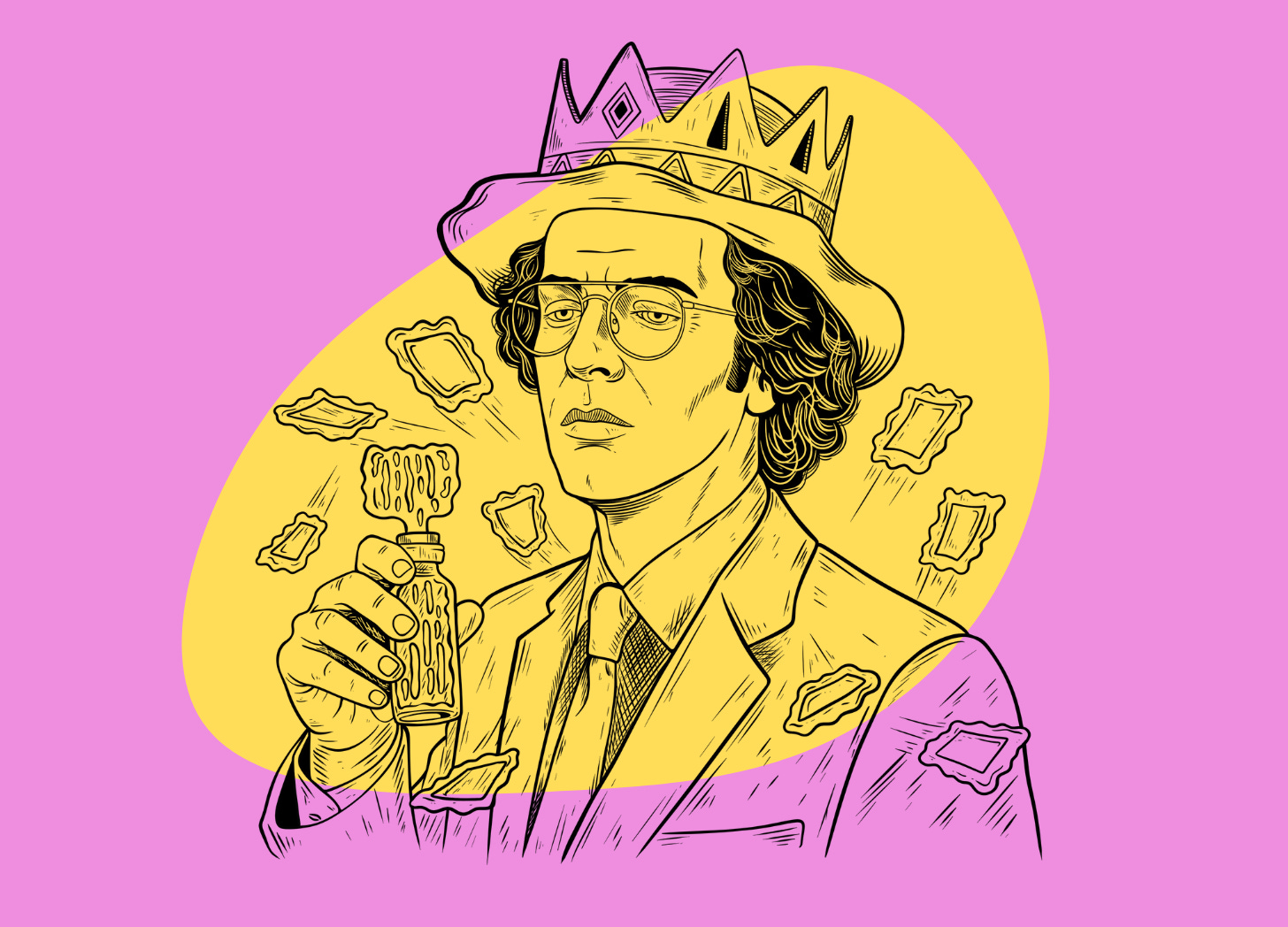
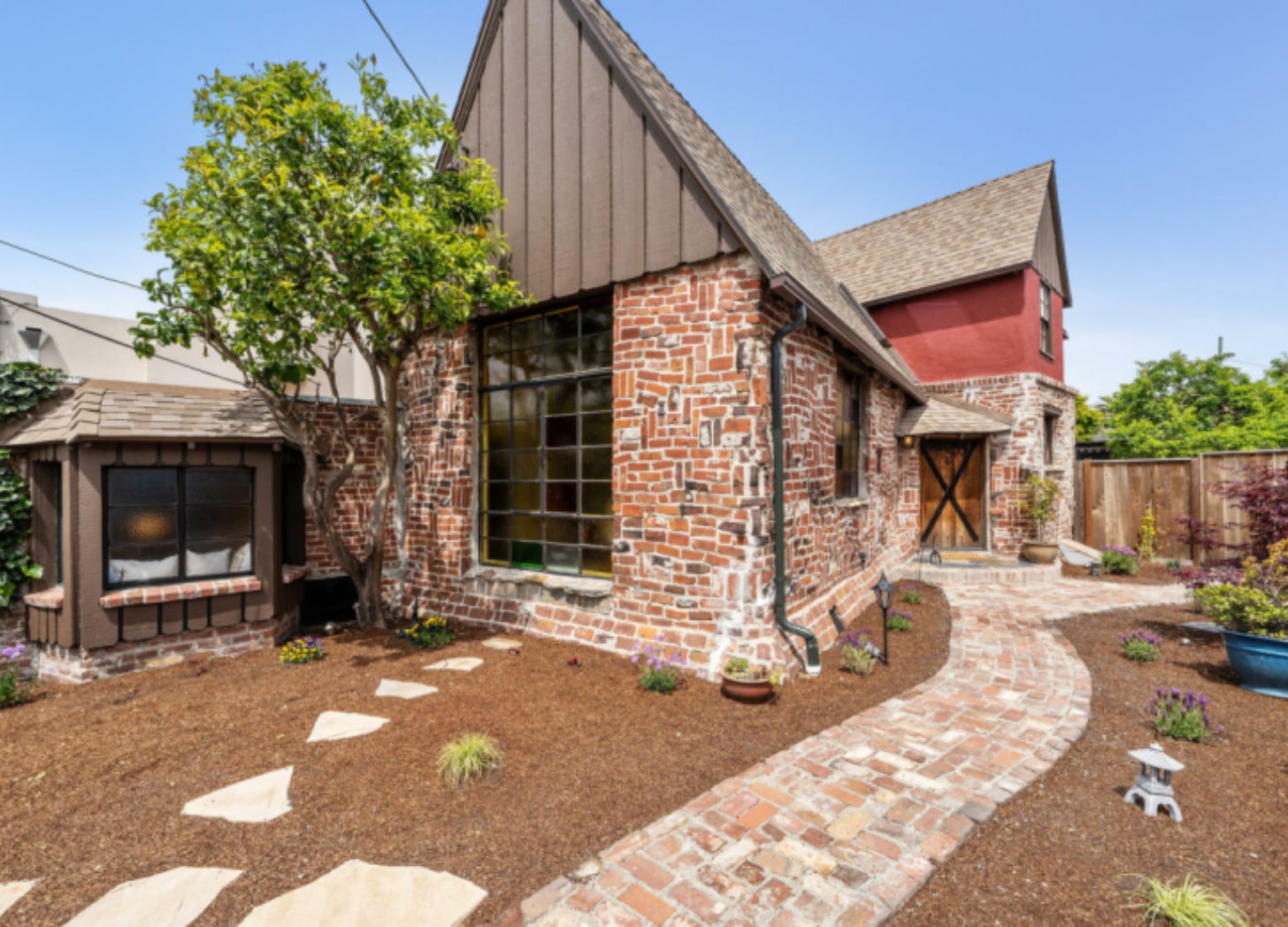
It’s 1967. Owsley Stanley is still a free man. He’s wearing a floppy leather cowboy hat as he makes his way up a cobblestone path to his secret berkeley Cottage — a bohemian lair that serves as part that serves as part hideout, part psychedelic command center.
He swings open the heavy wooden door of what some refered to as the “Troll House.” As he enters, an owl glides from the rafters to perch on his shoulder.
A massive, walk-in brick fireplace dominates one wall. Stained glass windows let in soft light, penetrating air thick with incense, illuminating Tibetan artwork and paisley pillows. Short and stocky, Owsley stands on a Persian rug, smelling of patchouli.
Ram Dass, the Grateful Dead, and Jefferson Airplane have all tripped in this room. They all love Owsley’s notoriously strong acid.
The burrowing owl gives an affectionate nibble. It technically belongs to one of Owsley’s girlfriends — fellow clandestine chemist Melissa Cargill. A gift for her after Owsley decided her spirit animal was an owl.
The two sure have come a long way since cooking meth in their house in San Francisco.
The King & Queen of LSD
Owsley met Melissa Cargill in 1964 — a petite, brilliant chemistry grad student at UC Berkeley — while prowling campus labs for supplies to cook speed.
In a matter of days, Cargill left her current boyfriend for Owsley. The two set up shop in a large greenhouse in Berkeley, which would come to be known as the “The Green Factory”.
Before LSD, Owsley was a speed freak. He had some psychedelic experiences, even selling morning glory seeds to classmates.
That year, just after meeting Cargill, Owsley tried LSD and heard the Beatles for the first time in the same week. It changed him.
Owsley was soon holed up in the Berkley library, poring over organic chemistry journals, trying to figure out how to make it himself.
He studied for weeks, but Owsley wasn’t a chemist. His background was in engineering, TV, electronics, and radio. He also dabbled in Russian and French and had tastes in Indian classical music, ancient alchemy, and ballet.
The catalyst came when the cops busted the Green Factory in February 1965. Owsley was out of town, but Cargill got word and poured their liquid methamphetamine into a sewer grate to avoid the heat.
Cops found only lab equipment, and the charges were thrown out. A brazen and openly defiant Owsley then succeeded in suing the State to have his lab equipment returned.
Owsley & Cargill Learn How to Synthesize LSD
By spring 1965, Owsley was done with speed. He’d grown to hate the drug’s edge and set his sights on something cleaner, stranger, and more profound.
That April, he and Melissa Cargill drove to Los Angeles to build a new lab — this time to make LSD.
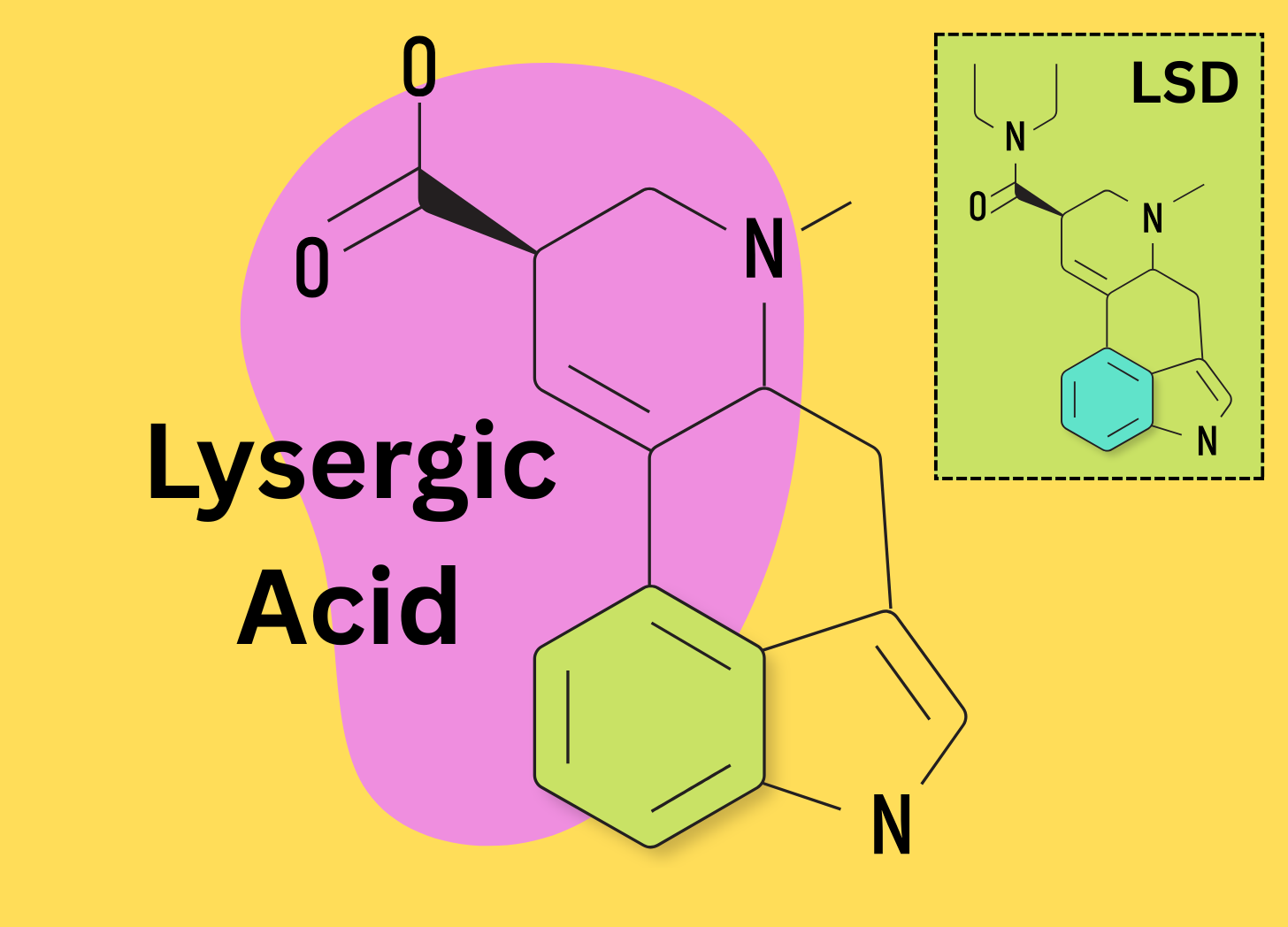
They weren’t the first in California to try. But Owsley had higher standards. The “green goo” that sparked his first mild trip wasn’t good enough; he wanted the clean, pharmaceutical-grade purity of Sandoz acid — the kind he felt safe giving to his friends.
Crafting the Perfect Acid
Making LSD is complicated. It demanded many steps, specialized gear, and hard-to-find precursors — far trickier than the meth they’d been cooking. Though LSD itself was still legal, the chemicals to make it were tightly controlled.
Ever resourceful, Owsley formed the Bear Holding Company — a sly nod to his nickname, “Bear,” given for his hairy chest — and used it to legally purchase a few grams of the coveted lysergic acid.
Robert Greenfield, Owsley’s biographer, called Owsley and Cargill “co-equal partners” in cracking the LSD synthesis. While history credits Owsley, many suspect he leaned heavily on Cargill’s formal chemistry chops to perfect the process.
Refining Purity & Dosing a Generation
Back in Berkeley, their LSD began to circulate — and word spread fast. Early batches were potent but not perfect, so the pair dove deeper, teaching themselves advanced chromatography to purify their product until even Albert Hofmann, LSD’s original creator, would have been impressed.
They also focused on consistent, safe dosing — rare in the underground at the time. Owsley invented careful mixing and pill-pressing methods so users could trust each hit.
Just a few micrograms of LSD go a long way — a few grams is equal to thousands of doses. With such abundance, Owsley became a Johnny Appleseed of acid, handing out doses freely.
Scaling production brought wild challenges. Trace amounts of LSD would seep into workers’ skin and send them on unintended ten-hour trips. Even scuba suits couldn’t fully shield them. Crewmates had to rotate shifts, building tolerance just to keep cooking.
Owsley Tries to Pass The Acid Tests
By late 1965, Owsley’s product was rippling through the underground — but the real doorway into the psychedelic scene was the Acid Tests.
Part party, part social experiment, the Tests were staged in San Francisco by novelist Ken Kesey (author of One Flew Over the Cuckoo’s Nest) and his band of Merry Pranksters. Turned on to LSD through the CIA’s secret MKULTRA program, Kesey made it his mission to “freak people out.”
Bowls of Kool-Aid spiked with acid fueled the nights. Many guests had never heard of LSD, let alone taken it, when they found themselves hurled into strobe lights, black light paint, looping sounds, and sensory chaos.
Owsley’s first Acid Test was a complete shitshow – he experienced ego death, freaked out and tried to drive away – but instead crashed his truck into a ditch, greatly upsetting Kesey in the process.
Sober reflection further disturbed Owlsley. As a student of alchemy and the occult, he believed Kesey and the Pranksters were toying with dangerous parts of the subconscious mind.
The Pranksters laughed at his concerns. It seems Owsley got over it, because he soon became the LSD supplier for the tests, impressing Kesey with the purity and potency of his product.
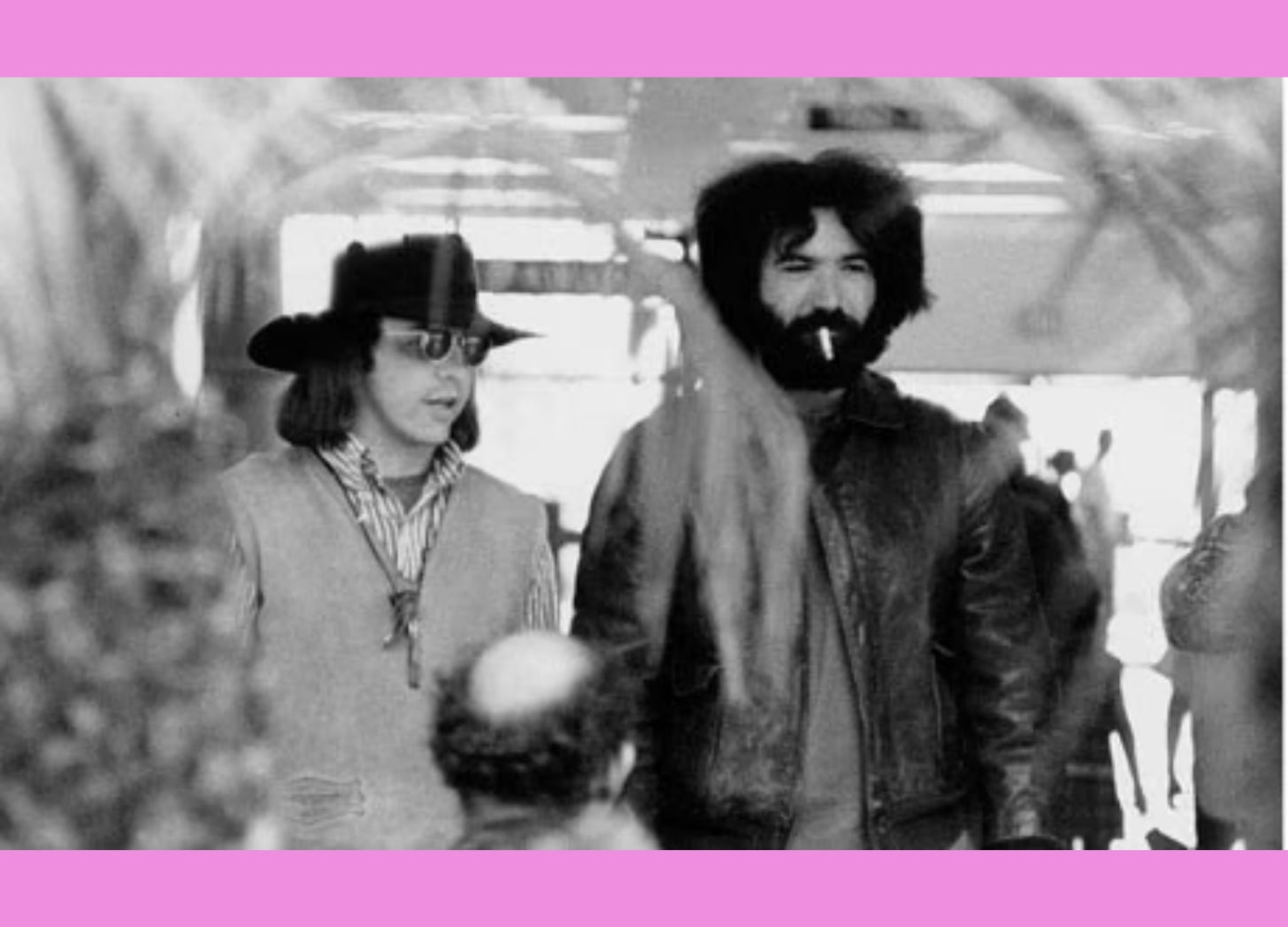
But it was the house band, The Grateful Dead, that really pulled Owsley in. He was immediately obsessed with them, badgering the band for an opportunity to work with them. They asked for a manager, but instead, Owsley became their audio engineer.
Owsley, The Grateful Dead, & the Psychedelic Elite
“After we had contact with Bear, it was more of a spiritual quest. I loved him as dearly as I’ve loved anyone in my life.” — Phil Lesh, Bassist, The Grateful Dead.
Owlsey had already been dumping his LSD profits into high-fidelity audio gear. A perfectionist with an engineer’s brain, he was a natural audiophile.
In the ‘60s, folk music was just beginning to go electric, and bands like The Grateful Dead were used to crackling, static audio. Owsley immediately donated his high-end speakers to The Dead, giving them a sound no band in their genre had at the time.
Owsley was more than the sound guy. He became their patron, footing the $400 rent for 710 Ashbury Street, a Victorian house in San Francisco where he and The Dead lived together. Owsley kept the fridge stocked with food (exclusively steak, Owsley was a carnivore) and a bottomless supply of LSD.
Ashbury St. became a hub. LSD wasn’t made on site but was taken constantly by The Dead and everyone who passed through. The band was able to live carefree, tripping, jamming, and congealing into one of the greatest bands of the era.
Owsley also fueled the culture beyond the house. He helped organize festivals where he dosed icons backstage with a dropper of Owsley Acid — widely considered the cleanest on the planet.
As imitators emerged, he started branding his hits with dyed tablets like Monterey Purple and the pink doses tied to the Beatles’ Magical Mystery Tour.
The fame was a double-edged sword. Counterculture legends came calling — Ram Dass once injected LSD with him; John Lennon phoned asking for a lifetime supply — but federal agents began tailing him and digging through his trash.
His strong personality was polarizing. He once recorded a tripping Jimi Hendrix solo session, only to have Jimi throw the completed cassette tape in the fire. Bob Dylan also famously kicked him out of a New York backstage for pushing acid.
Building The Acid Machine
For all his abrasive edges, Owsley had a gift for finding the right allies.
In 1965, a lanky young electronics whiz named Tim Scully approached him at the Trips Festival, asking to apprentice. Owsley rarely shared his secrets — but he did want better sound for the Grateful Dead.
Scully, with his thick glasses and deep knowledge of electrical design, soon joined the Dead’s tour. He upgraded their rigs, essentially laying the groundwork for the modern mixing board. Owsley used those boards to record each Grateful Dead show — building the vast archive fans still treasure today.
Once trust was built, Owsley taught Scully the art of LSD synthesis. Soon, Scully was running labs in San Francisco and Denver, expanding Bear’s reach far beyond Berkeley.
The Ritual of Making Acid
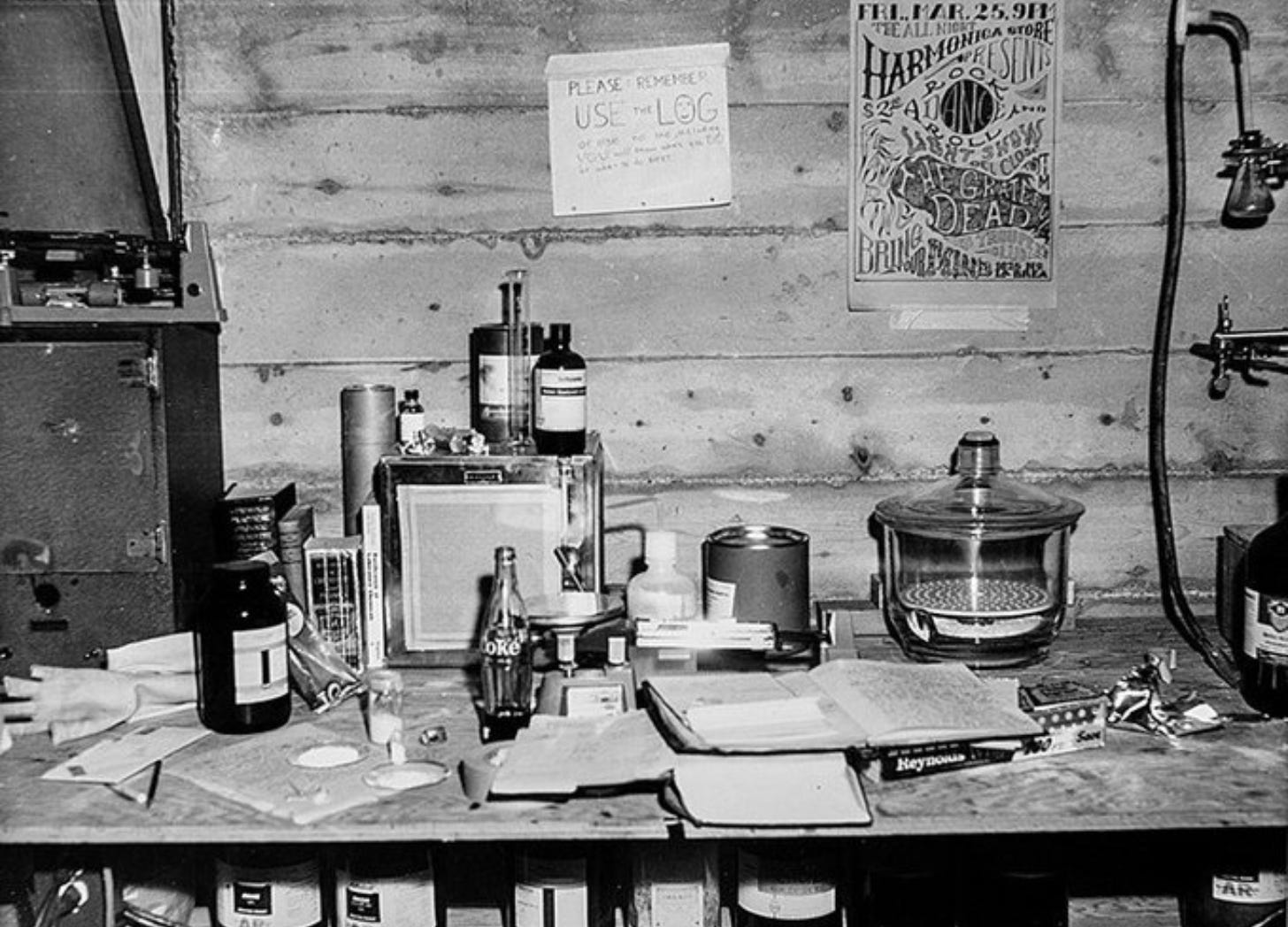
By then, Owsley had investors bankrolling top-tier lab gear. He added his own eccentric rituals to the work — tracking astrological alignments, insisting on a positive mindset while cooking (“bad vibes ruin a batch,” he believed), and playing music he thought would influence the acid’s energy.
Owsley handled sales himself, sometimes paying workers in LSD. He insisted the goal wasn’t profit but safety: making clean, reliable acid for friends and the scene.
Wealth followed anyway.
Only later did his ambitions widen toward what he called “alchemizing humanity” — using LSD as a catalyst to transform consciousness itself, to strip away fear and conditioning and remake society from the inside out.
To stay ahead of busts, Owsley kept his stash mobile. He shipped it between California Greyhound stations in a single trunk, timing the 30-day hold windows so he could quietly reroute shipments when needed.
But even with these clever systems and paranoia on his side, the law was closing in.
His growing profile — and sheer scale of operation — made invisibility impossible.
The End of the Road
The fall came fast. Rohney Stanley — mother of one of Owsley’s children — was sitting in the kitchen of the Denver lab when federal agents burst through the windows. They arrested her, Owsley, and Melissa Cargill in a single sweep.
In Owsley and Me, Rohney recalls that agents had been tracking them for months. Owsley took the blame, winning freedom for both Cargill and Rohney. Tim Scully also slipped away and would later produce his own famous brand of LSD called “Orange Sunshine.”
A judge handed Owsley a three-year sentence. However, before reporting to prison, he somehow managed to impregnate both of his girlfriends, Cargill and Rohney. The women discovered they were each pregnant while moving out of his house after his incarceration.
Prison, Release & a Changed Scene
Owsley served two of the three years, spending his time learning metalworking. When he walked free, Rohney picked him up with their 18-month-old son. The reunion was brief: after they checked into a hotel, Rohney left to buy groceries — and Owsley quietly disappeared.
For a while, he drifted back to the Grateful Dead. But the ’60s were gone. The band had exploded into arenas, hired a new sound man, and traveled with a hard-partying road crew.
Owsley despised cocaine and booze; he tried to regain control, but the Dead backed their crew, leaving him to find other means to support himself.
Reinventing Himself in Metal & Sound
For a time, Owsley made a living doing sound and production for other bands and briefly tried his hand at cannabis cultivation — an experience sour enough to end his drug-production days (at least as far as anybody knows).
He eventually settled into metalworking, producing high-end jewelry he would haw at Grateful Dead shows. returned to metalworking, crafting high-end jewelry he sold at Dead shows.
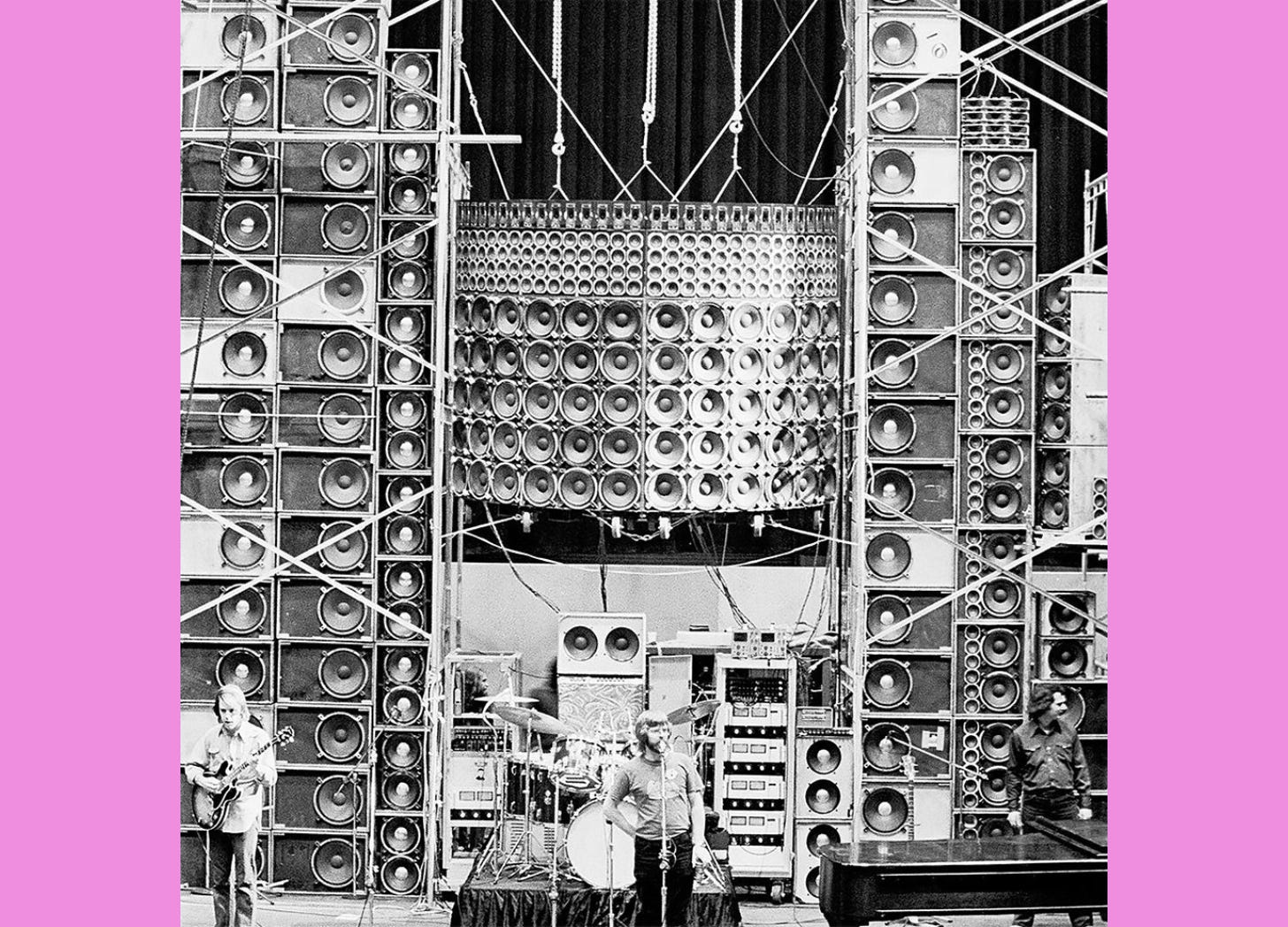
His relationship with the Dead remained on-again, off-again, but in the 1970s, he left one last, massive imprint — the Wall of Sound. This 500-speaker colossus embodied Owsley’s obsession with pristine live audio and essentially invented the modern concert sound system.
The Wall was brilliant but impractical — so huge and power-hungry that the band needed two of them, leapfrogging show to show while one was dismantled and the other set up. Even with sold-out arenas, the cost drained the Dead’s finances, and the monster rig was eventually scrapped. But its influence on live sound design endures.
Retirement & Death
In 1982, Owsley had a dream of catastrophic global warming destroying the planet. He believed large-scale climate change meant the safest place to be was Australia, and promptly moved to the continent with his then-wife, Sheilah, a former Grateful Dead ticket booth clerk.
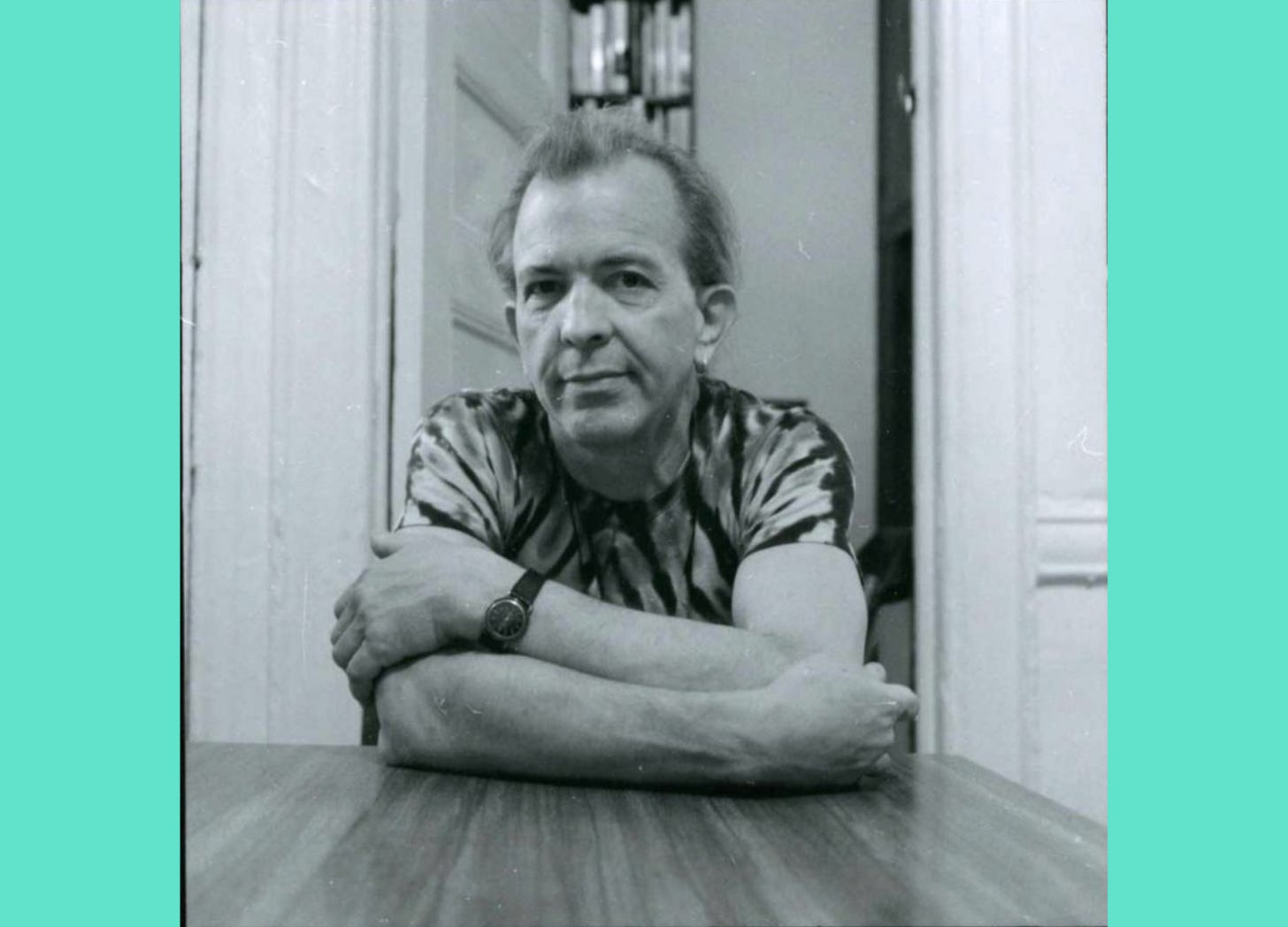
Owsley built a homestead in the Australian bush, continuing to create jewelry and sculpture. He wasn’t heard from much and maintained his longstanding desire to never be photographed. Apart from some interviews and a talk at an Australian entheogen conference, out of the public eye.
On Saturday, March 12, 2011, Owsley died after his truck rolled over from hitting a patch of mud on the highway near his home. His death appeared in newspapers around the world and was the first time many of his neighbours had heard of his fame.
Owsley’s legacy remains complicated yet undeniable. He discouraged biographies and shunned the press, leaving most of his story to those who knew him personally.
In the words of longtime friend and Grateful Dead bassist Phil Lesh:
“We owe him more than what can be counted or added up. His was a mind that refused to accept limits, and he reinforced in us that striving for the infinite is the refusal to accept the status quo that has informed so much of our work. He never gave up his quest of pushing the limits of whatever he was working on.”
Further Reading
Owsley and Me (Book by Charles Perry)
The Void Starer: How Philosophy’s Greatest Pessimist Discovered Cosmic Love
Aldous Huxley: The Literary Genius Who Opened the Doors of Perception
Enjoying Tripsitter? 🍄
Don’t Journey Alone! Tripsitter was built by a community of psychedelic advocates — but it’s people like you that allow us to thrive.
You can also follow us on Bluesky or subscribe to our Reddit.