

Psychedelic Gardening: 14 Psychoactive Species for the Home Garden
Not all mind-expanding journeys start in the jungle — some start in your own backyard.


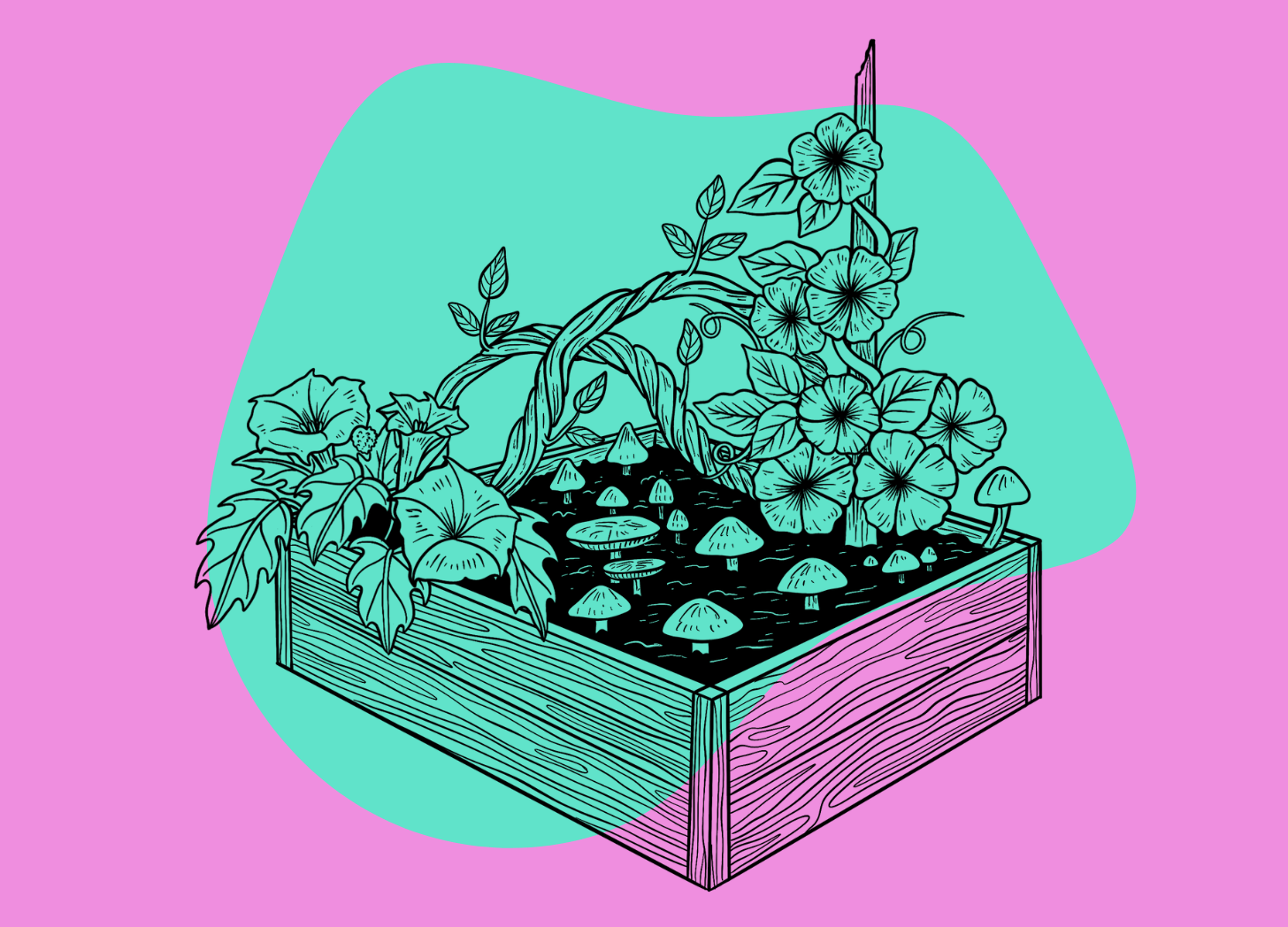
Psychedelic plants have been used for centuries to uncover hidden layers of reality, expand consciousness, and connect us with both the physical and spiritual worlds — and many of them are surprisingly easy to grow at home.
In my own garden, I cultivate a selection of mind-altering plants among my herbs and vegetables. I find there's no better way to connect with a particular species than to grow it yourself.
Depending on where you live, you might be able to grow these plants in your garden by simply tossing some seeds into a pot. In other areas, you may need to set up a small microclimate using a grow tent and some artificial lights to mimic the conditions they need to thrive.
Today, we're going to explore 14 plants (and fungi) you can easily grow at home anywhere in the world. I’ll share what I’ve learned from growing (and sometimes failing to grow) these species, along with tips for setting up a simple indoor grow space to help you recreate the conditions some of the more fussy species need to thrive.
Psychedelic gardening is more than a hobby — it’s a quiet rebellion and a way to reconnect with nature’s most powerful teachers.
NOTE: Some of these species are illegal to grow in certain areas, so make sure you're aware of the risks where you live before you get started.
1. Morning Glory (Ipomoea violacea)
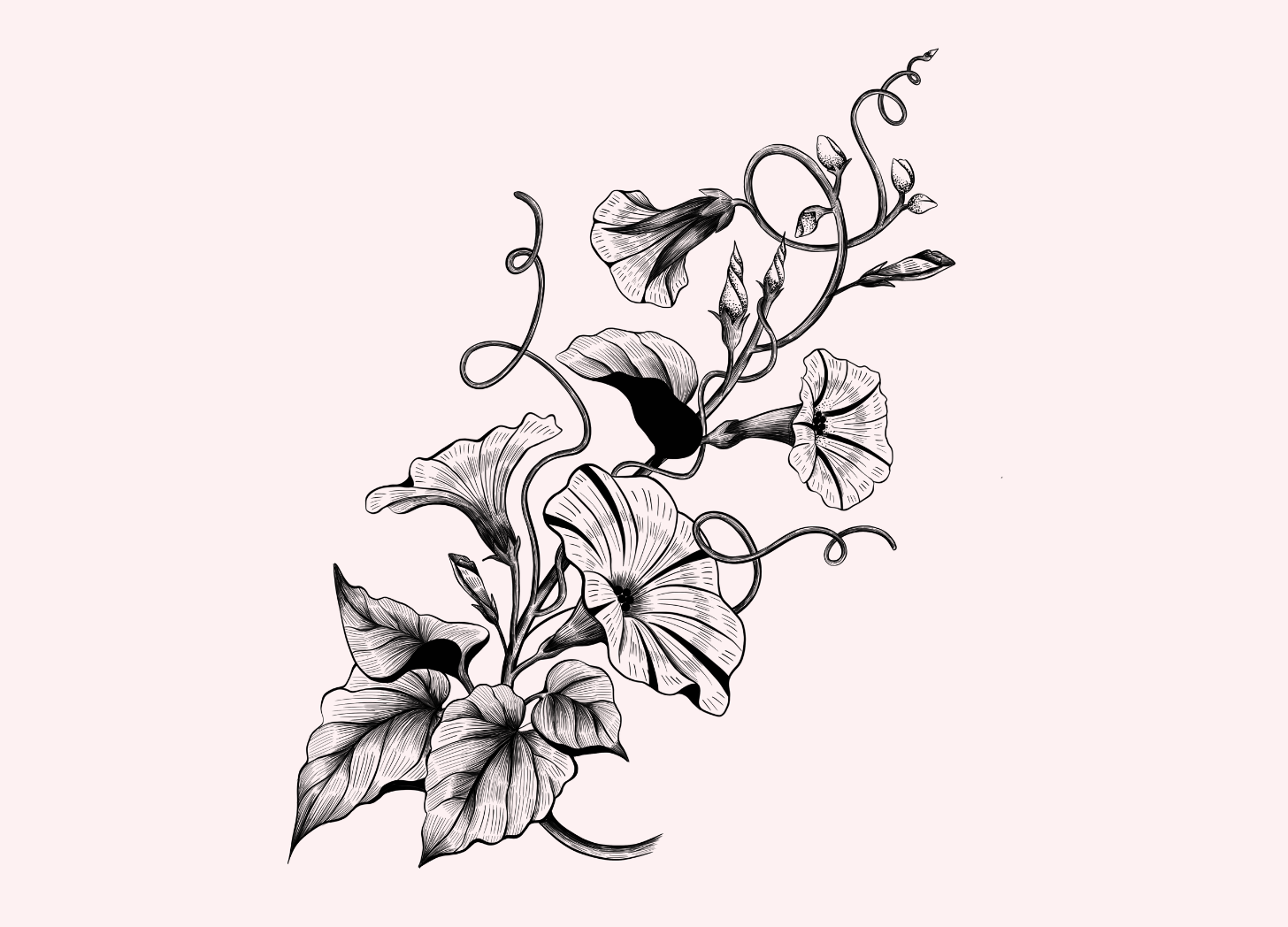
The morning glory vine (AKA the Aztec Vine of Vision) is one of the easiest psychedelic plants to cultivate. It's classified as a weed in about 30 different countries, including Canada, USA, and Australia.
I've found this stuff popping up naturally in gardens I've maintained in both Canada AND Colombia — two completely different climates located on virtually opposite sides of the world.
The psychoactive component of Morning Glory comes from the seeds, which contain LSA (lysergic acid amide) — an alkaloid closely related to LSD (lysergic acid diethylamide). LSA can be extracted from the seeds by steeping them in a mixture of alcohol and distilled water for a few days.
Pro Tip: If you want to maximize your yield of LSA, opt for the "Heavenly Blue" cultivar — a study from 2016 analyzed 5 popular varieties of Morning Glory and found this particular cultivar to be the strongest overall.
Morning Glory is a herby vine — so it needs some sort of structure to support itself. This plant is an excellent psychedelic companion plant because it happily weaves itself in and amongst your other crops. I like to plant these at the corners of my garden plot near tall flowers or veggies (such as sunflowers, corn, okra, or amaranth). Their beautiful trumpet-shaped flowers also serve as an excellent attractor for pollinators like bees and butterflies.
Morning Glory Specs:
Zones: 3–10 (as annual)
Light: Full sun
Water: Moderate
Difficulty: Easy
Sources: Strictly Medicinal Seeds (🇺🇸), Richters (🇨🇦)
2. San Pedro (Trichocereus pachanoi)
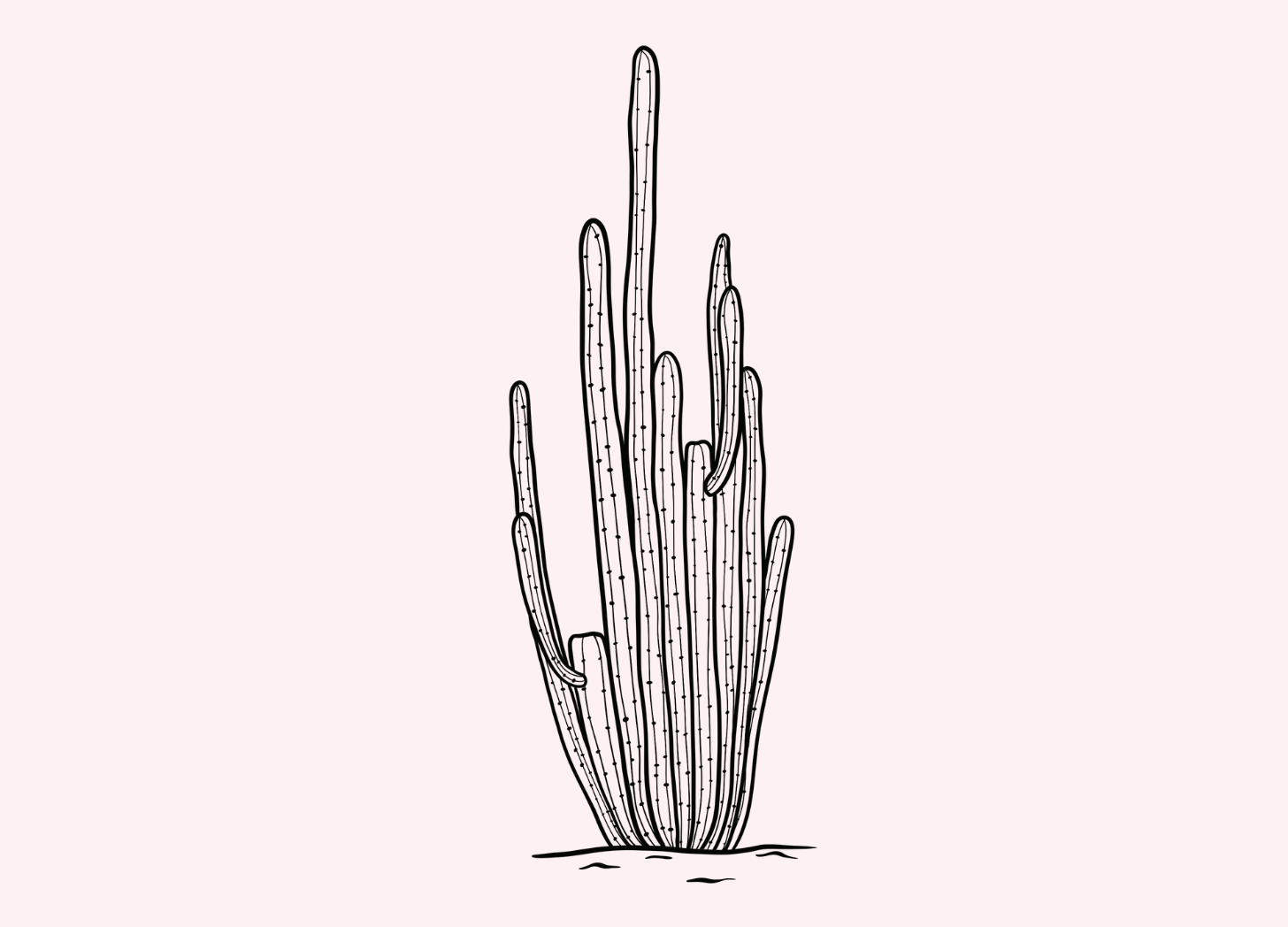
The San Pedro cactus contains the psychedelic alkaloid mescaline — a type of mind-altering phenethylamine with a long history of ceremonial use in the South American Andes.
This cactus is relatively fast growing (compared to other mescaline-containing cacti) but will take an average of about 4 years to produce enough cactus for a single dose (300–800 grams of fresh cactus or 200–400 mg mescaline equivalent). It's pretty easy to grow if you can give it enough sunlight.
San Pedro is used by macerating it into a juice, drying and grinding it into a powder to mix with water, or extracting purified mescaline through acid-base extraction.
This psychedelic cactus is native to high-altitude regions of the Peruvian and Ecuadorian Andes. Here, the weather shifts back and forth from very hot and dry to cool and humid. San Pedro is well adapted to these conditions and is surprisingly tolerant to cooler weather (down to -10ºC) and overwatering.
When growing san pedro, use a well-draining succulent mix and ensure it gets plenty of sunlight — the more, the better. The most common issue San Pedro growers experience is a growth problem called etoliation — this happens when the growing tip doesn't get enough sunlight and becomes long, thin, and weak. This problem is especially common in the winter in Northern latitudes. The thin parts cannot be thickened up with increased light exposure and can cause the cactus to break off and die later on when it becomes too heavy. The easiest way to avoid this problem is to provide supplemental light during the winter months.
If growing San Pedro indoors, use the most intense lighting you have available. I've tried to grow San Pedro under LED lights, but I always get etoliation. Bright fluorescents placed close to the growing tip work much better. Here in the tropics where I live now, etoliation is no longer an issue.
Even though San Pedro is tolerant to wetter conditions, try to avoid overwatering. Only water when the soil becomes fully dry — typically every 1–2 weeks, depending on humidity and season — but avoid overwatering. In Northern climates, you can skip watering altogether during the winter months.
San Pedro Growth Specs:
Zones: 8–11
Light: Full sun
Water: Low (drought-tolerant)
Difficulty: Easy to Moderate
Sources: Smart Seeds Emporium (🇺🇸), West Coast Cactus (🇨🇦)
3. Peyote (Lophophora williamsii)
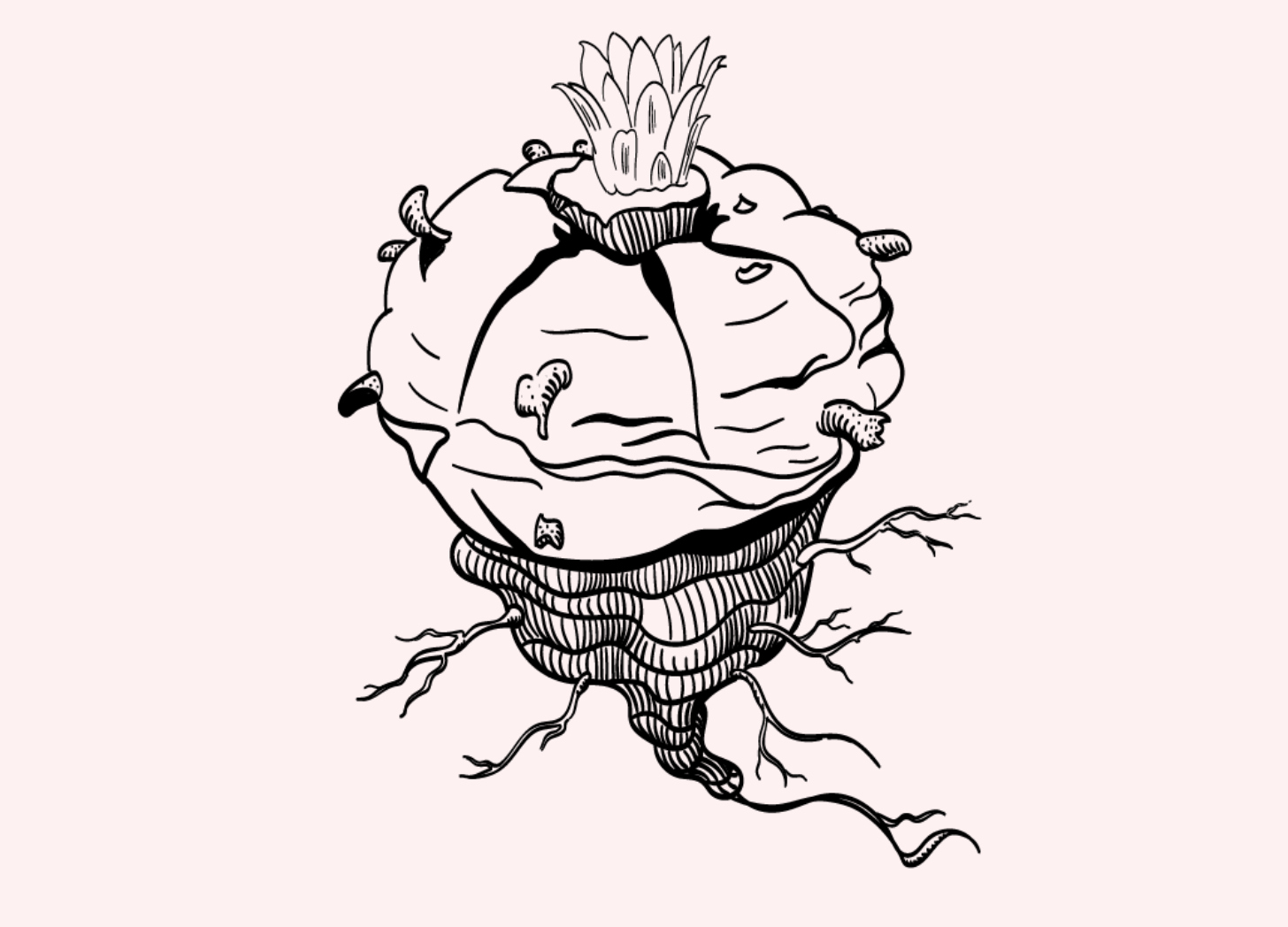
Peyote is another mescaline-containing cactus worth exploring — but be prepared for the long haul. It’s extremely slow-growing, often taking 8 to 10 years to reach harvestable size.
This cacti is much more potent than San Pedro (in terms of weight), but it's also much more difficult to grow. It needs intense, direct sunlight for most of the year, is not cold-tolerant at all, and is highly sensitive to overwatering and poor drainage. If you live in a region where temperatures dip below 21ºC (70ºF), you may need to move your plants indoors in the "cooler months."
The main source of failure gardeners report with this cactus is rotting at the base. This happens when you water it too often. Most experts recommend watering just a few times per year, even when exposed to full desert sunlight.
Peyote Growth Specs:
Zones: 9–11
Light: Full sun to partial shade
Water: Low
Difficulty: Hard
Sources: Sacred Buttons 🇨🇦/🇺🇸
4. Cannabis (Cannabis sativa/indica)
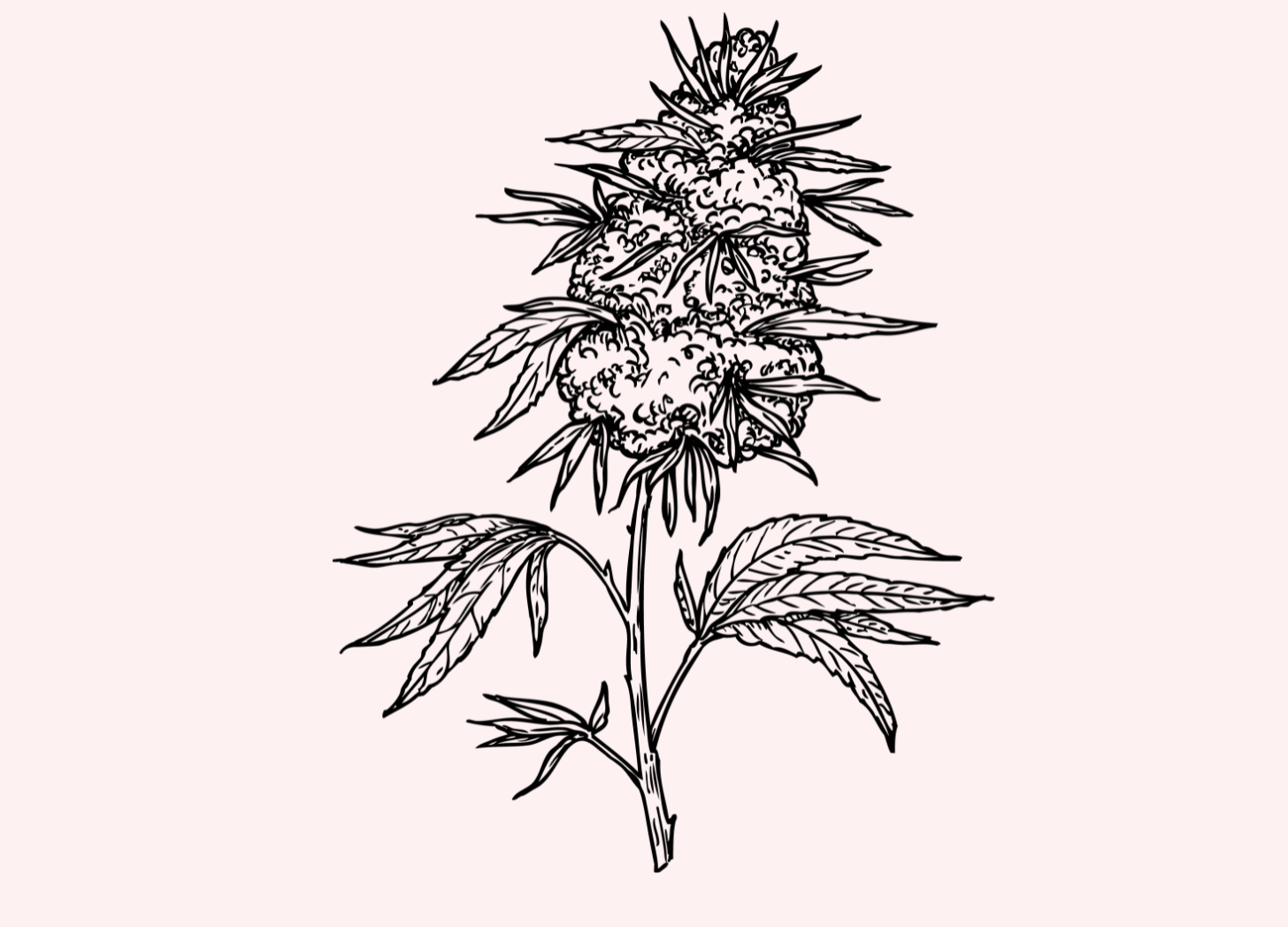
It would be impossible to write a list of psychoactive plants for the home garden without including this legendary species. It isn't called weed for nothing — this stuff practically grows itself (once you get past the sensitive seedlings, that is).
Weed thrives in both wet and dry climates and will adapt itself to match the environmental conditions. I like to grow cannabis using hydroponics for fast, vigorous growth and massive coke-bottle buds, but organic, soil-grown plants tend to have higher terpene levels.
Cannabis plants are dioecious — which means male and female flowers are found on separate plants. When growing weed for its psychoactive qualities, you ONLY want the female plants. Even a single male flower can ruin your harvest — causing the flowers to produce seeds and significantly cutting the THC content. The simplest way to avoid this is to buy feminized seeds (seeds that only produce female plants).
Note: There are other ways to determine the sex of your cannabis plants, but this requires knowledge of plant cloning and access to controlled light cycles.
You can grow weed outdoors pretty much anywhere in the summer. For hot climates, make sure you provide plenty of water. Cannabis is a thirsty plant and will wilt fast if the soil dries out. It can survive moderate drought conditions and intense sunlight when the plants get larger, but dry conditions will significantly reduce yields.
For cooler climates with short growing seasons, I have a few extra tips:
Avoid growing sativas — this species takes a very long time to finish flowering. If frost comes early, you’ll lose the entire crop.
Stick to more cold-tolerant, short-season indicas or autoflowers.
Start your seeds indoors under lights to maximize the growing season.
If frost is in the forecast, cover your plants with burlap or a blanket to protect them.
Cannabis Growing Specs:
Zones: 9–12 (sativa), 7–11 (indica), any (as anual)
Light: Full sun or grow lights
Water: Moderate
Difficulty: Easy
Sources: Seedsman (🇺🇸), True North Seed Bank (🇨🇦)
5. Kanna (Sceletium tortuosum)
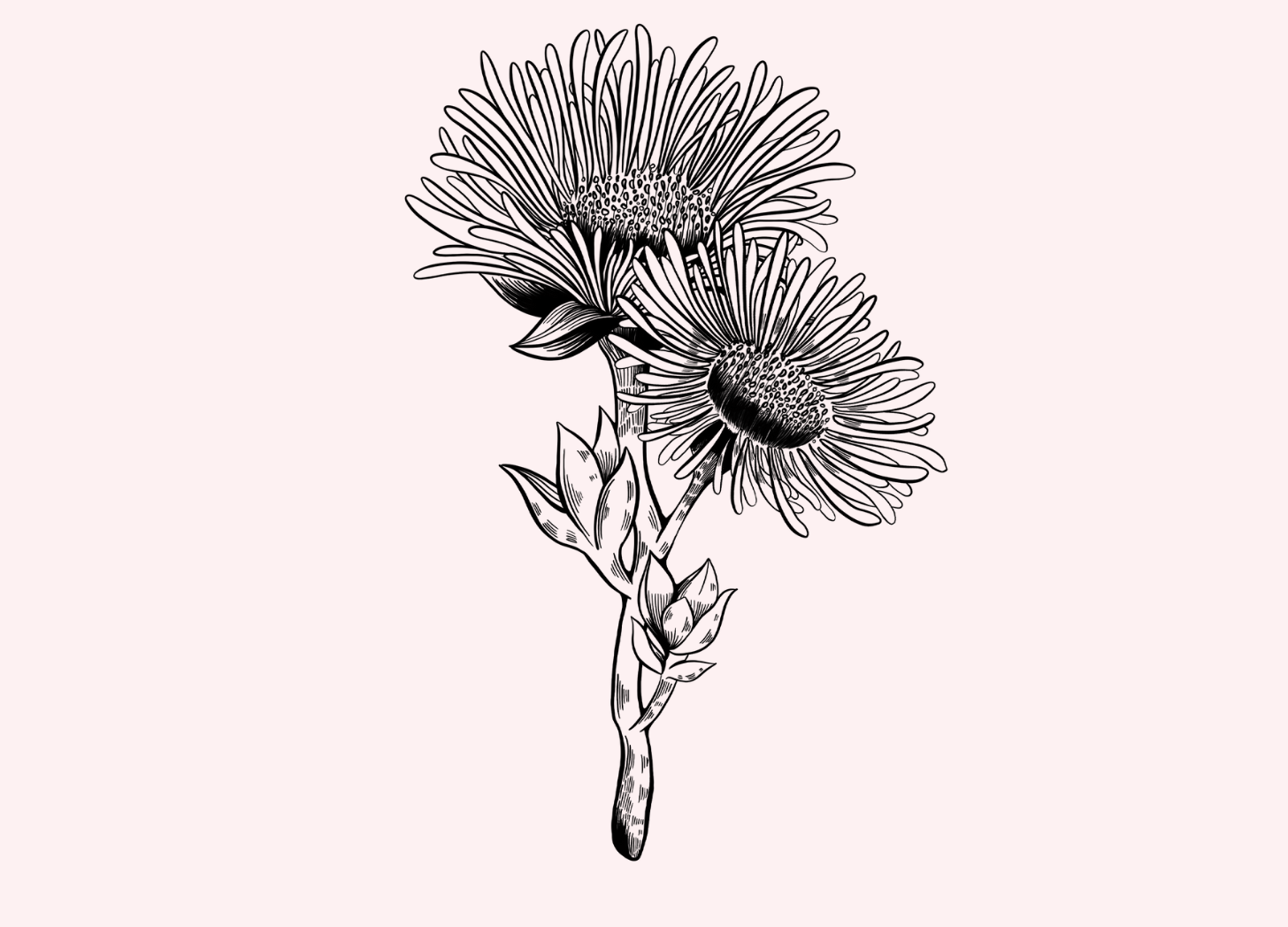
This plant isn't exactly "psychedelic," but it does have some unique mind-altering effects that pair very well with other psychoactive plants. I like to mix the dried, powdered leaf in with some tobacco or cannabis for a really chilled-out, almost euphoric effect.
Kanna is also cherished for its powerful antidepressant action — similar to plants like St. John’s Wort, but with a more immediate mood-lifting effect.
As a South African succulent plant, kanna is difficult to sprout from seed but easy to grow once germinated. It likes full sun and low annual rainfall. If you've got a few cacti or succulents, Kanna will fit right in alongside them with the same level of care.
This plant grows low and wide like a groundcover and, once established, is highly drought-tolerant and resistant to pests. Trim back the leaves occasionally to prevent legginess, and you'll have a steady supply of fresh kanna leaves for harvesting and drying.
→ Tips For Sprouting Succulent Plants 🎥
Kanna Growth Specs:
Zones: 9–11
Light: Full sun
Water: Low to moderate
Difficulty: Moderate
Sources: World Seed Supply (🇺🇸), Healing Herbals (🇨🇦)
6. Blue Lotus (Nymphaea caerulea)
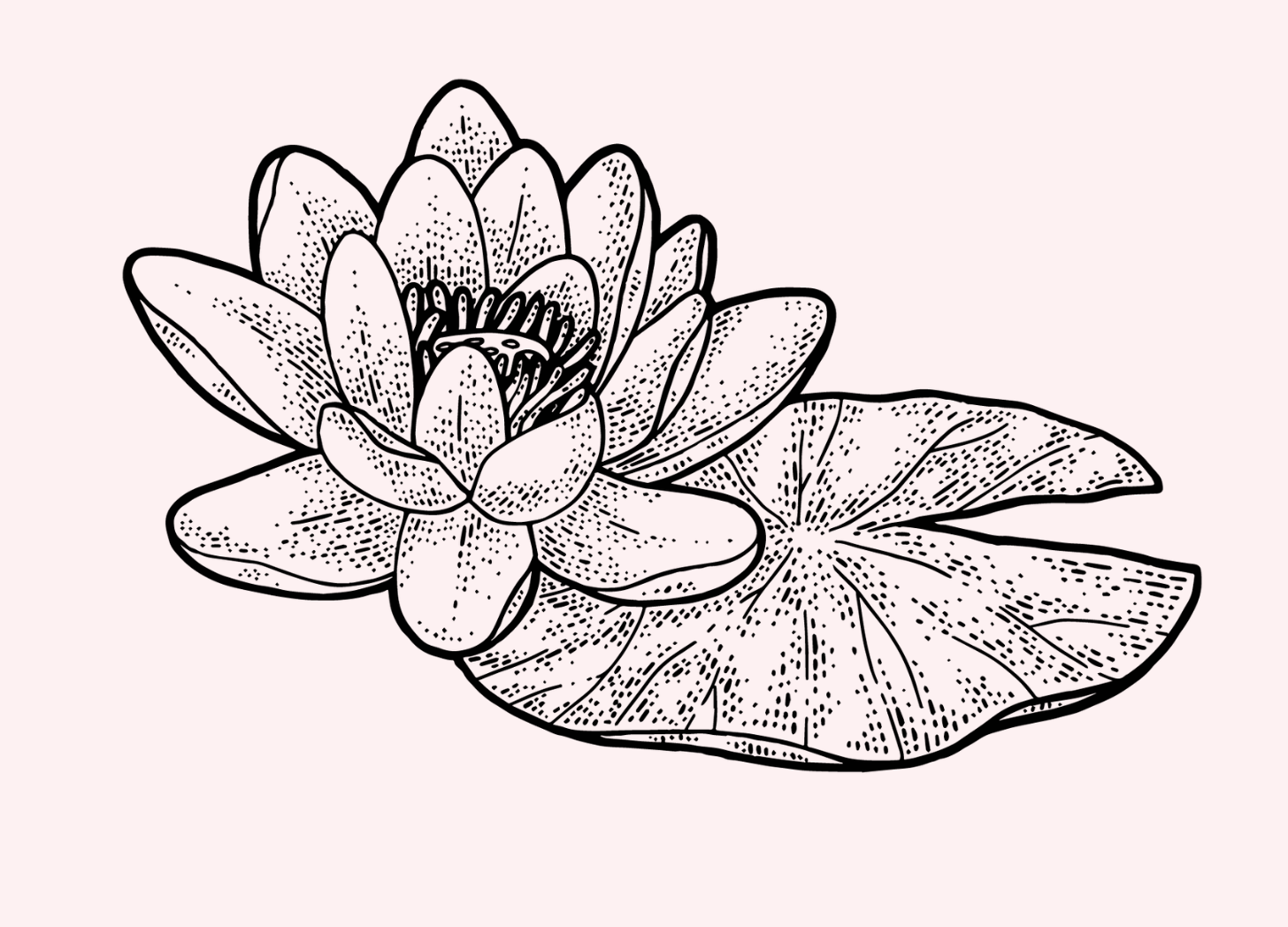
The Blue Lotus is a sacred water lily native to the Nile River and ponds across East Africa. It contains three powerful alkaloids — aporphine, apomorphine, and nuciferine — known for their euphoric, sedative, and dream-inducing properties. Unlike conventional psychedelics, blue lotus doesn’t distort reality — it draws you inward, inducing a trance-like state ideal for lucid dreaming, meditation, and sensual exploration.
This plant held profound importance in Ancient Egyptian culture, where it symbolized rebirth, divine connection, and erotic power. It was associated with the gods Ra and Nefertem, featured in temple art and tomb murals, and was frequently used in rituals involving music, sex, and altered states of consciousness.
Even King Tutankhamun was buried with depictions of blue lotus in his shrine — clutching the flower alongside two mandrake roots.
Growing blue lotus is pretty straightforward if you have any experience with aquatic or pond plants.
Most people start from seed by soaking them in warm water for several days until they swell and sprout. Once germinated, transplant the seedlings into a wide container filled with heavy loam or clay soil topped with a layer of gravel to keep it in place.
Set the container inside a pond, large bucket, or water basin so that the soil is submerged under 6–12 inches (15–30 cm) of warm water. Blue lotus thrives in full sun, so place your setup somewhere that receives 6–8 hours of direct sunlight per day.
The water should stay above 21ºC (70°F) for best results — you can use an aquarium heater if growing indoors. Once established, blue lotus will produce floating leaves and, eventually, its signature fragrant blue blossoms, especially during the warmer months.
→ Watch Tutorial 🎥
Blue Lotus Growth Specs:
Zones: 9–11 (tropical pond or indoor container)
Light: Full sun
Water: High (aquatic plant)
Difficulty: Moderate
Source: Plant Flower Seeds (🇺🇸/🇨🇦)
7. Magic Mushrooms (Psilocybe cubensis)
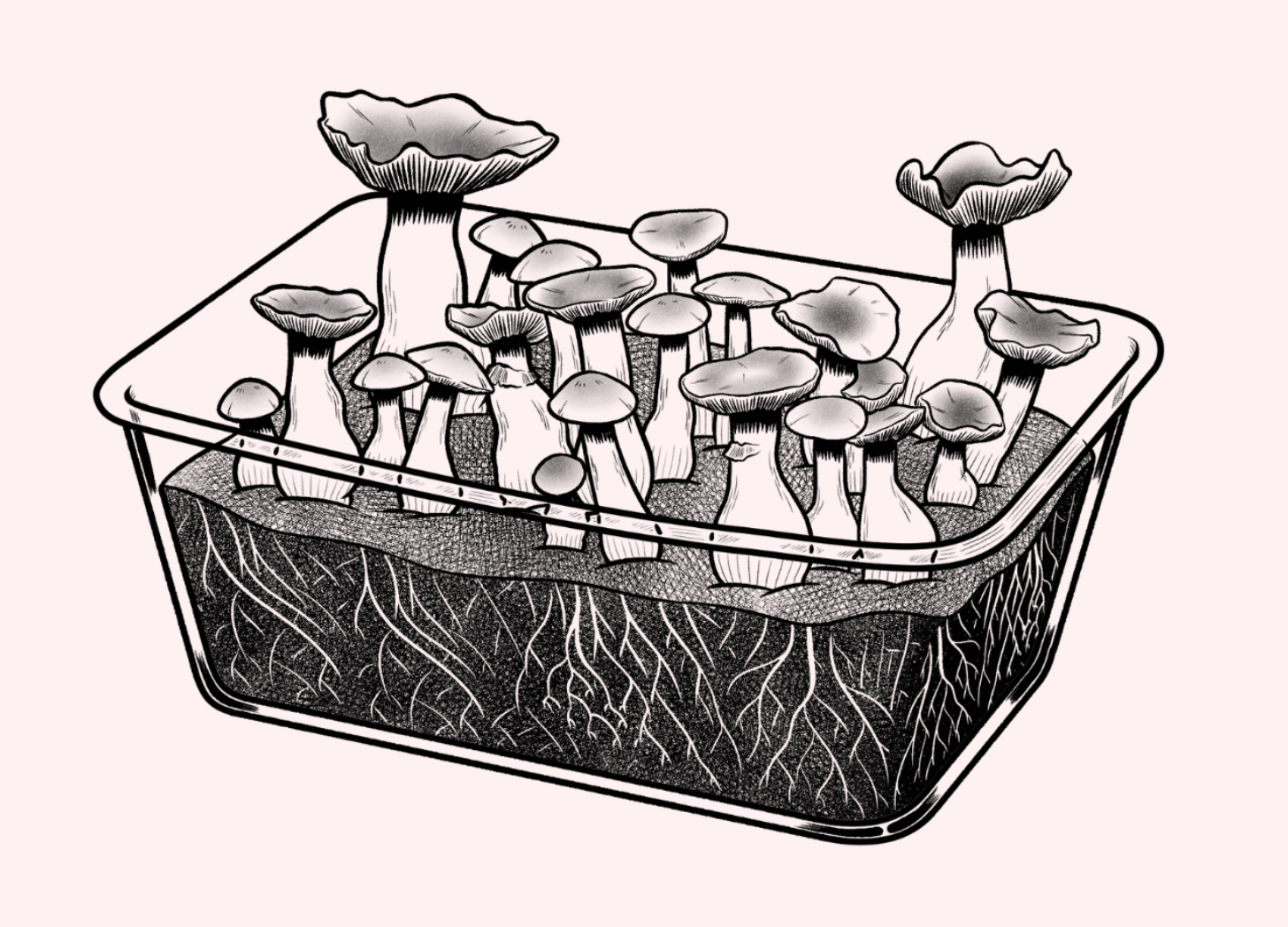
There are more than 200 species of psilocybin-containing mushrooms, and while you can grow many of them, there's nothing easier or higher-yielding than Psilocybe cubensis.
This species is a general decomposer that thrives on a wide range of substrates. I’ve found the absolute easiest method is the BRF Tek (this process is highlighted on our website here). You can also use rye grain, wild bird seed, Uncle Bens Rice packs, and manure-based substrates.
The most difficult part of growing shrooms is keeping everything sterile in the early stages. Spore germination is slow, so any mold or bacteria present in your medium will outcompete the mushrooms and result in failure. Use a pressure cooker to sterilize all your substrates and tools before you start, and wipe your workspace down with Lysol or alcohol wipes throughout the inoculation process.
While it's possible to grow magic mushrooms outside, I highly recommend an indoor setup to keep contamination at bay and maintain high humidity levels. Buy a grow tent and reptile fogger/humidifier to maintain over >90% humidity, or simply spray them with a mister 2–3 times per day.
Growing magic mushrooms is easier than you might think, but there is a bit of a learning curve. I highly recommend you pick up a copy of Psilocybin: Magic Mushroom Grower’s Guide by Terence and Dennis McKenna or The Mushroom Cultivator by Paul Stamets.
You can also check out Shroomery.org for in-depth discussions on the topic of mushroom cultivation and processing.
Magic Mushroom Growth Specs:
Zones: Indoors only (sterile conditions)
Light: Indirect light (12/12 cycle)
Water: High humidity (misting/fogging)
Difficulty: Moderate
Sources: Spores MD (🇺🇸), Spores 101 (🇨🇦/🇺🇸), Shiny Spores (🇬🇧/🇪🇺)
8. Tobacco (Nicotiana rustica/tabacum)
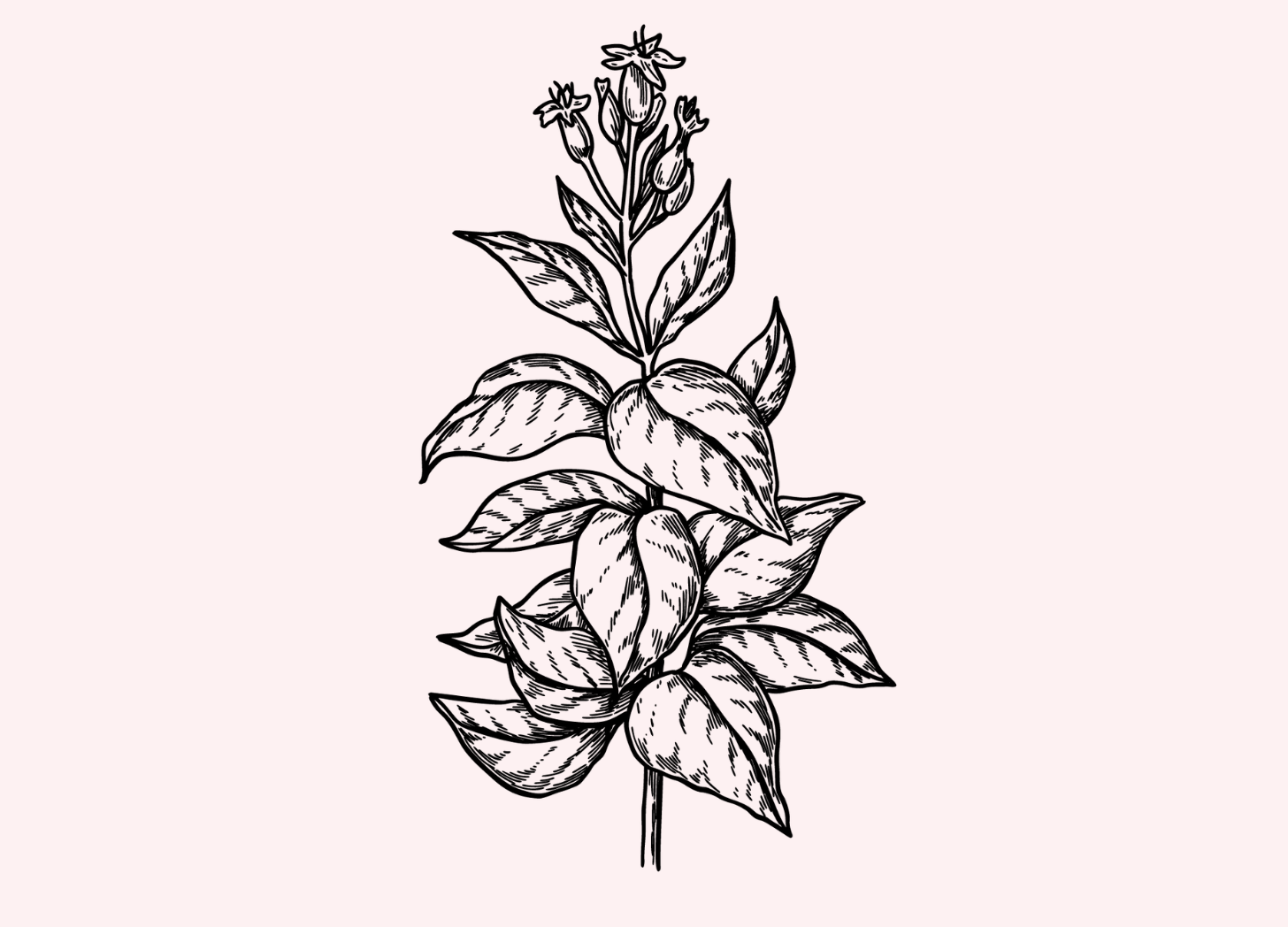
There are few plants with as deep a history as a powerful medicine and spiritual sacrament as tobacco.
I find tobacco to be an excellent companion plant to include in the garden alongside my vegetables. It repels insects, nematodes, and even some species of fungi. It's also surprisingly easy to grow from seed.
Start with light, well-draining soil, and scatter the seeds across the surface — don't bury them as they need light to germinate. If starting indoors, make sure to keep the soil wet but not soggy until the seeds sprout. Tobacco starts out incredibly small but eventually develops into a large, 3–6-foot tall plant — so make sure you leave plenty of headspace.
When harvesting tobacco, wait until the leaves begin to yellow slightly and feel tacky to the touch. Pick the leaves and leave them in the sun for about an hour until they start to wilt. Then, move them to a shady, well-ventilated spot to begin curing.
The key to getting smooth, flavorful tobacco is to cure it rather than completely drying it out. I leave my tobacco leaves out in the shade until they’re mostly dry but still pliable (typically about 1–2 days), then seal them in a container to help redistribute any remaining humidity amongst the leaves. The final product should feel soft, leathery, and slightly springy — not crispy or brittle.
Tobacco Growth Specs:
Zones: 5–11 (as annual)
Light: Full sun
Water: Moderate
Difficulty: Easy
Sources: Urban Farmer Seeds (🇺🇸), Richters (🇨🇦), Magic Garden Seeds (🇪🇺)
9. Diviner's Sage (Salvia divinorum)
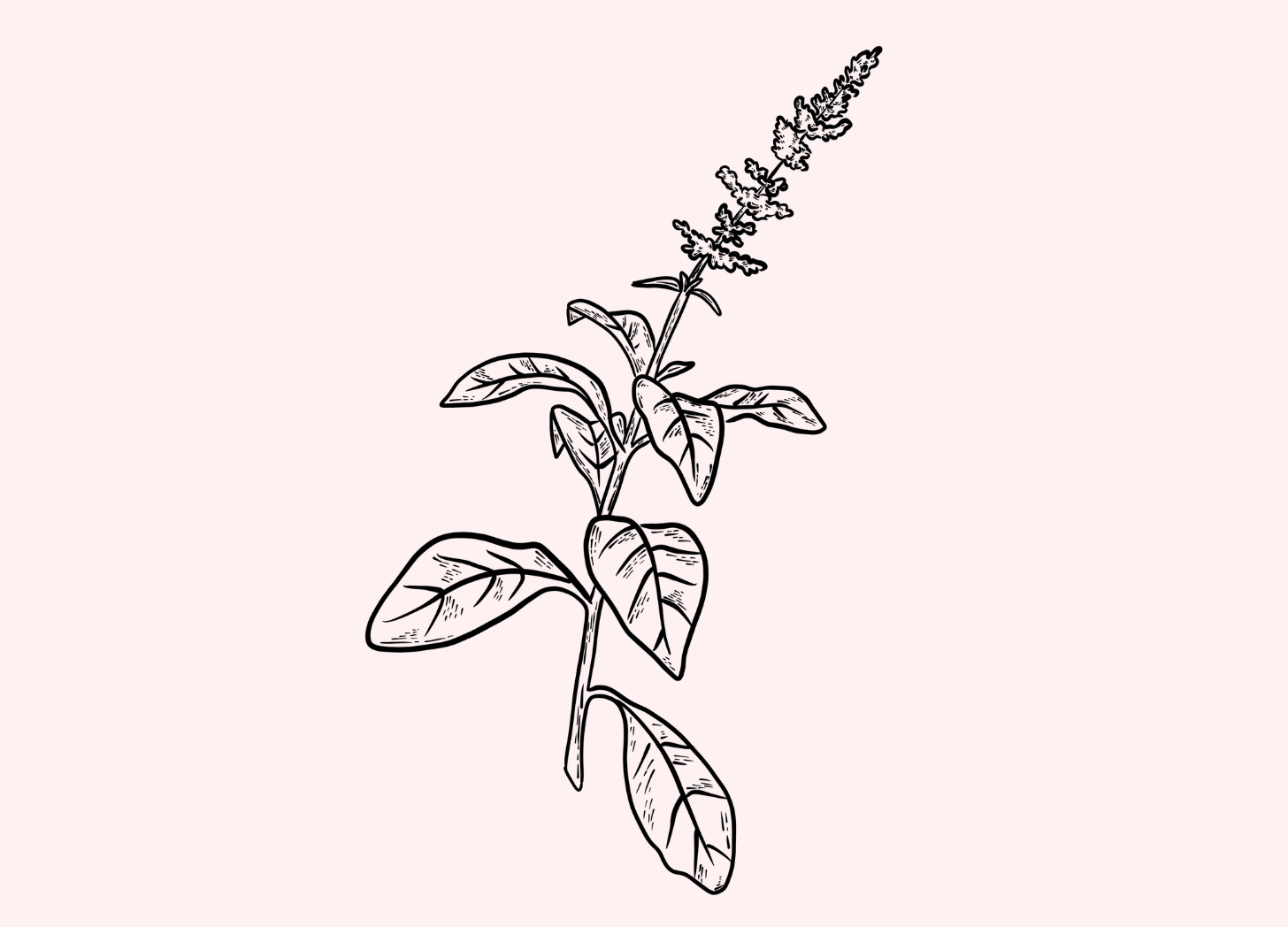
Out of everything on this list, salvia is both the most psychedelic and the most difficult to grow. I've had very little success with this plant over the years, and because you can't grow it from seed, the plants themselves can be difficult to find (and expensive).
You can order live salvia plants directly from online vendors — just make sure you're not accidentally buying some other type of salvia (sage). Also, be aware that shipping often leads to damage or stress. I would only recommend attempting this one if you have extensive gardening experience and a climate-controlled grow tent to help your plants recover for a few weeks after they arrive.
Salvia divinorum grows naturally in the cloud forests of Oaxaca, Mexico, where the ambient humidity hovers around 90–100% most of the time.
This means salvia plants require plenty of shade, humidity, and cooler temperatures. If humidity drops too low for even a few minutes, the leaves can wilt and die. If your plants get too much sunlight, the leaves can wilt and die. If the roots get too wet, they can rot and die.
This fragile but highly psychedelic plant, while not impossible to grow, poses a serious challenge for gardeners of all experience levels.
If you've had success growing this plant, let us know what you're doing right in the comments below!
Salvia Growing Specs:
Zones: 9–11 (indoors elsewhere)
Light: Indirect or dappled sunlight
Water: Moderate to high
Difficulty: Hard
Sources: Edgewood Nursery (🇺🇸), Etsy Vendors (🇺🇸/🇨🇦)
10. Ayahuasca Vine (Banisteriopsis caapi)
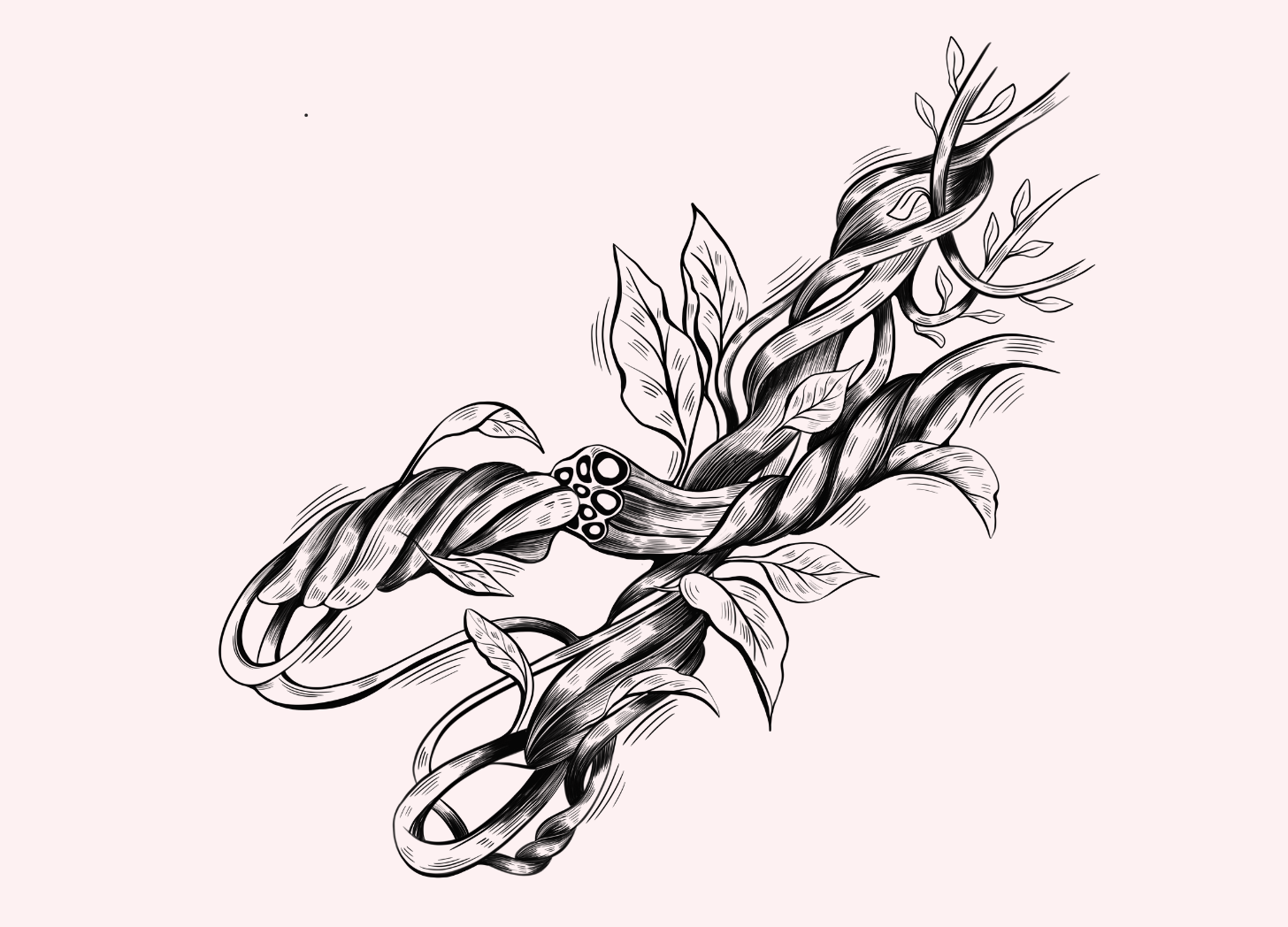
The ayahuasca vine, like salvia, can be incredibly challenging to cultivate unless you happen to live in the Amazon rainforest. This woody vine requires very high ambient humidity, consistently high temperatures, and protection from direct sunlight.
It's a cool option to try if you have an indoor grow tent or greenhouse that can mimic tropical climates.
Ayahuasca is a very slow grower — especially at the beginning. The seeds can take around 90 days just to germinate (if they germinate at all) and, even in perfect conditions, will only grow about 10 cm in the first year or so.
I highly recommend starting your vine from cuttings instead of seed. The cuttings will still take a while to root, but the success rate is much higher and allows you to shave off several months of growing time.
You also have to keep in mind that ayahuasca is a massive vine — often exceeding 20 or 30 meters in length in the wild. It needs supports to hold itself up and will eventually become too large for the grow space. For home growers, this simply means you'll have to harvest your ayahuasca vine at some point and replant the cuttings as new plants.
You also have to make sure you aren't giving your ayahuasca vine too much light — it’s used to the filtered, dappled light of the rainforest understory. I've used small fluorescent bulbs placed about 20-30 cm away from the growth tip with some success (the plants survived but grew very slowly). If you notice leaf curling or yellowing, it means you're giving your plant too much light — back the bulb off a bit or opt for something with a lower lumen output.
Ayahuasca Vine Growth Specs:
Zones: 10–12 (indoors in colder zones)
Light: Partial shade
Water: High
Difficulty: Hard (needs tropical humidity)
Sources: Herbalistics (🇺🇸), Accents For Home and Garden (🇺🇸), Etsy Vendors (🇺🇸/🇨🇦)
11. Dream Herb (Calea zacatechichi)
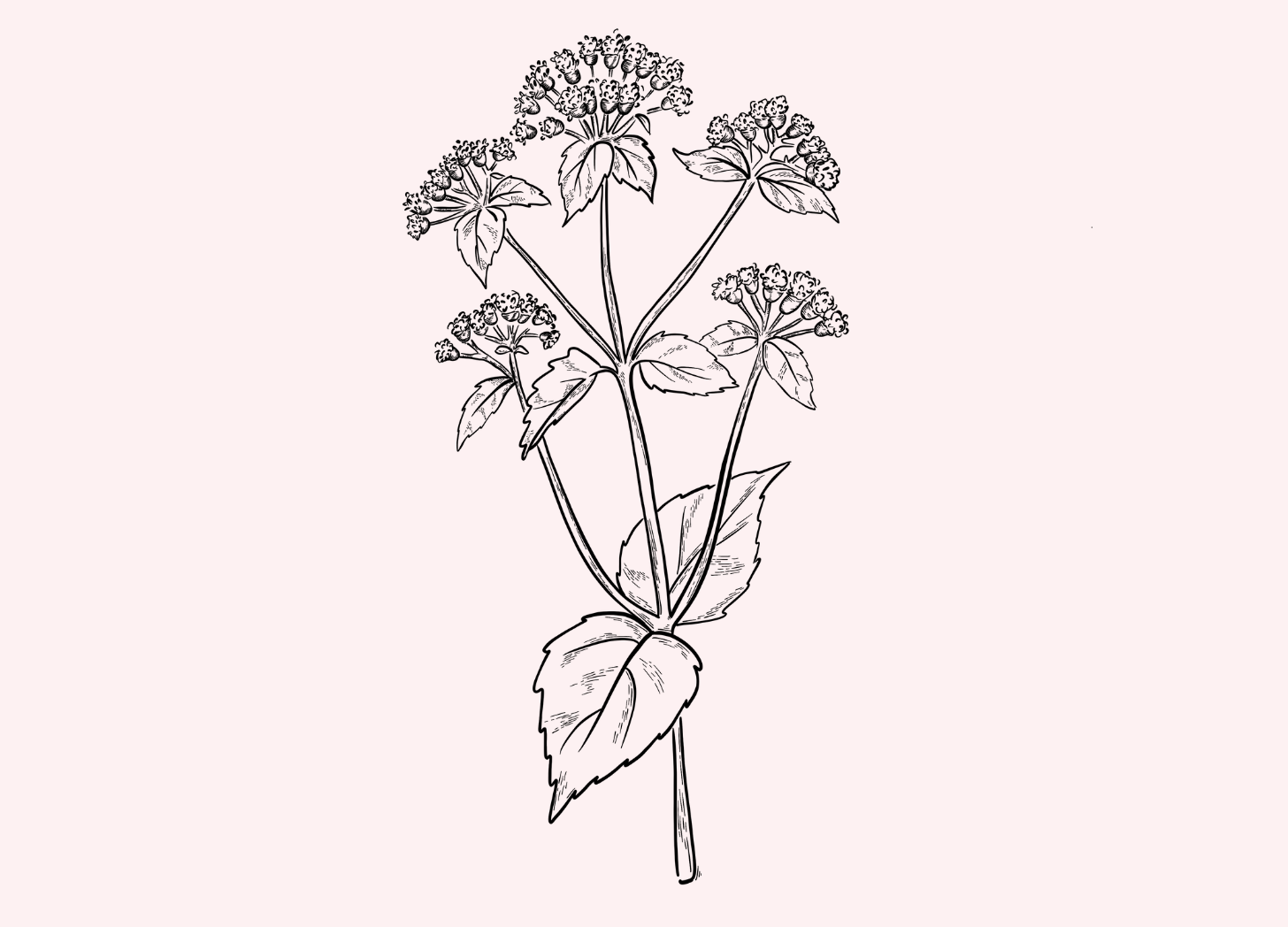
Calea zacatechichi is my all-time favorite oneirogen (dream-inducers). A tea from fresh or dried leaves, drunk about 30 minutes before bed, is one of the most reliable methods for inducing intensely visual dreams.
The herb is an invaluable tool for anybody interested in learning to lucid dream. My only warning with this one is to avoid using it too often — calea is exceptional for dream-enhancement, but, as a trade-off for this effect, makes sleep less efficient. Users tend to wake feeling a bit groggy the next morning.
This species can be found in the subtropical highlands of Mexico and Guatemala — which means it prefers conditions that are both hot and humid but not excessively wet.
Calea is very easy to grow in warmer climates outdoors and can be grown quite efficiently in cooler climates as long as you can bring it inside over the winter (plant in large pots).
For best results, use a well-draining loamy or sandy soil (avoid soils that contain a lot of clay). It prefers partial sun, so it's best to plant this one alongside some trees to provide dappled shade.
Once established, this plant grows into a bushy, slightly woody shrub and responds well to pruning — which also helps increase leaf production.
Calea Zacatechichi Growth Specs:
Zones: 9–11
Light: Partial sun
Water: Moderate
Difficulty: Moderate
Sources: World Seed Supply (🇺🇸), Etsy Vendors (🇺🇸/🇨🇦)
12. Mugwort (Artemisia vulgaris)
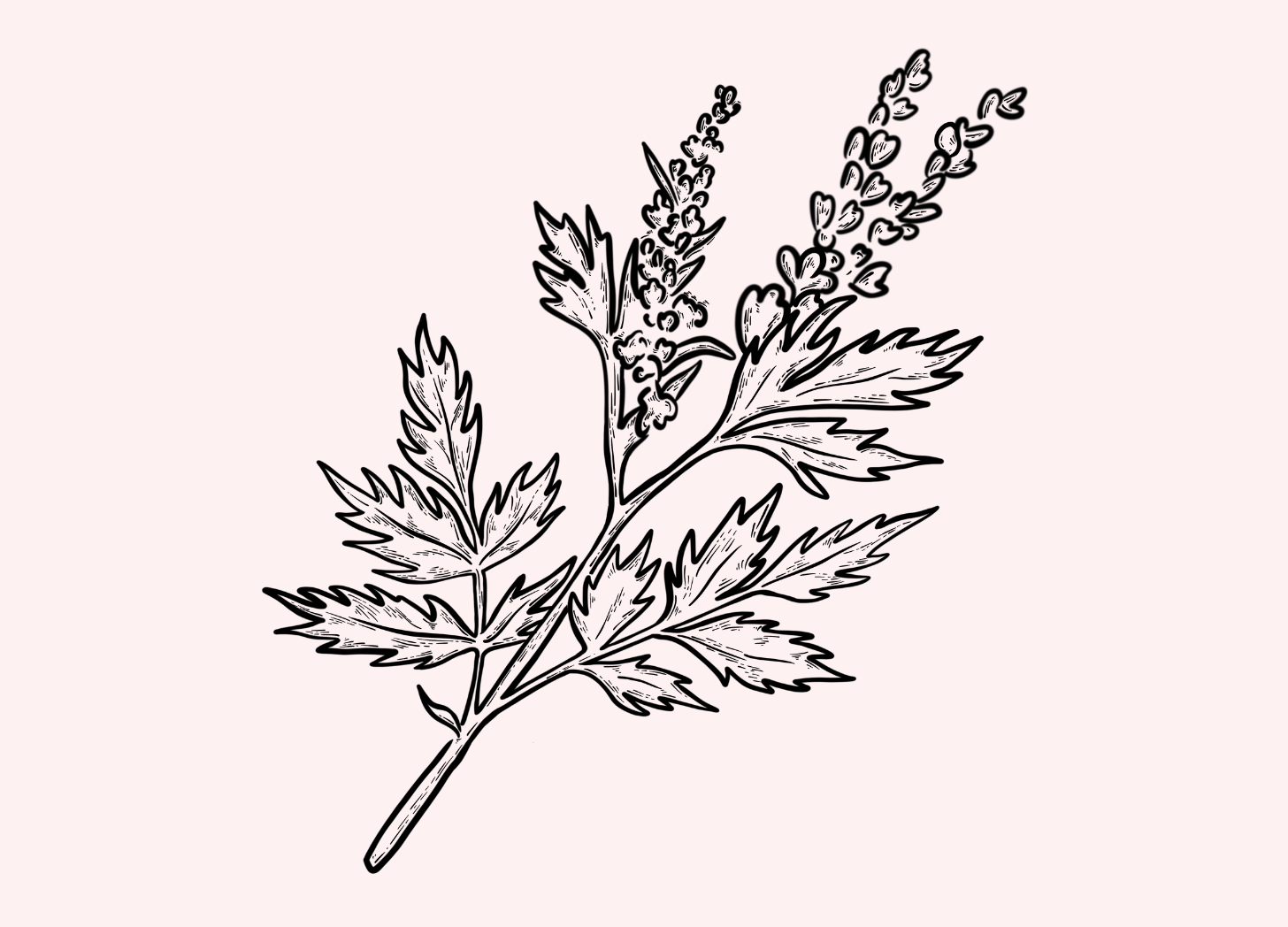
Mugwort, a common weed in some areas, is surprisingly psychoactive when smoked. Much like Calea zacatechichi, it's also a potent oneirogen with a long history of use among the Celts, Chinese, and Indigenous Europeans for uncovering spiritual insights and visions through dreams.
Like other mints, mugwort is stupidly easy to cultivate.
In fact, this plant is so aggressive I recommend keeping it confined to a pot, or you'll risk having this stuff take over the rest of your garden.
Harvest mugwort when it's just beginning to flower. Most of its psychoactive compounds are contained in the essential oil, so be careful to dry the leaves slowly in the shade. Too much heat will cause the active essential oils to evaporate and weaken the potency of your final product.
Mugwort can be mixed into herbal smoking blends or brewed into a delicious tea to drink at night.
Mugwort Growth Specs:
Zones: 3–9
Light: Full sun to partial shade
Water: Low to moderate
Difficulty: Easy
Sources: Strictly Medicinal Seeds (🇺🇸), Richters (🇨🇦)
13. Wild Dagga (Leonotis leonurus)
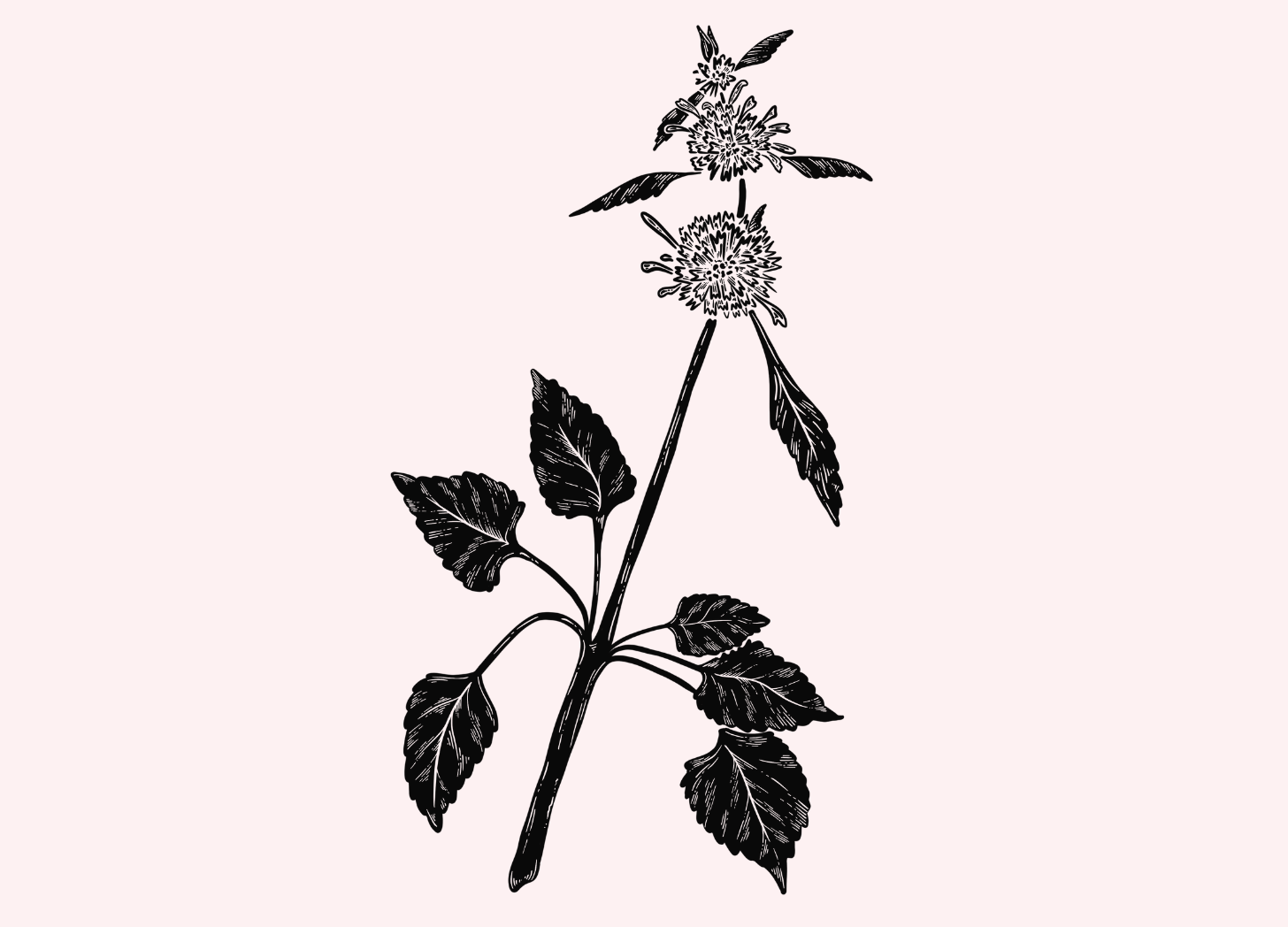
Often called “wild cannabis” or “lion’s tail,” Wild Dagga is a visually striking herb with mild psychoactive properties similar to cannabis.
While this herb doesn’t come close to cannabis in terms of potency, its dried flowers and leaves have been traditionally smoked or brewed into tea for calming, euphoric effects — think of it more as a relaxing, mood-enhancing ally than a full-on psychedelic.
The plant gets its nickname from the bright orange, fuzzy flower clusters that resemble a lion’s tail. These blooms not only look magical, they’re also magnets for hummingbirds and bees — making dagga a great pollinator-friendly addition to any psychedelic garden.
Wild Dagga is native to Southern Africa and thrives in warm, dry climates. It’s drought-tolerant, low-maintenance, and grows like a small shrub or bush — often reaching 3 to 6 feet in height. Give it full sun, well-draining soil, and occasional watering, and it’ll reward you with a long bloom cycle and abundant foliage for harvesting.
Wild Dagga Growth Specs:
Zones: 8–11 (annual in cooler climates)
Light: Full sun
Water: Low to moderate
Difficulty: Easy
Sources: Magic Garden Seeds (🇺🇸), Richters (🇨🇦)
14. Boracherro (Brugmansia spp.)
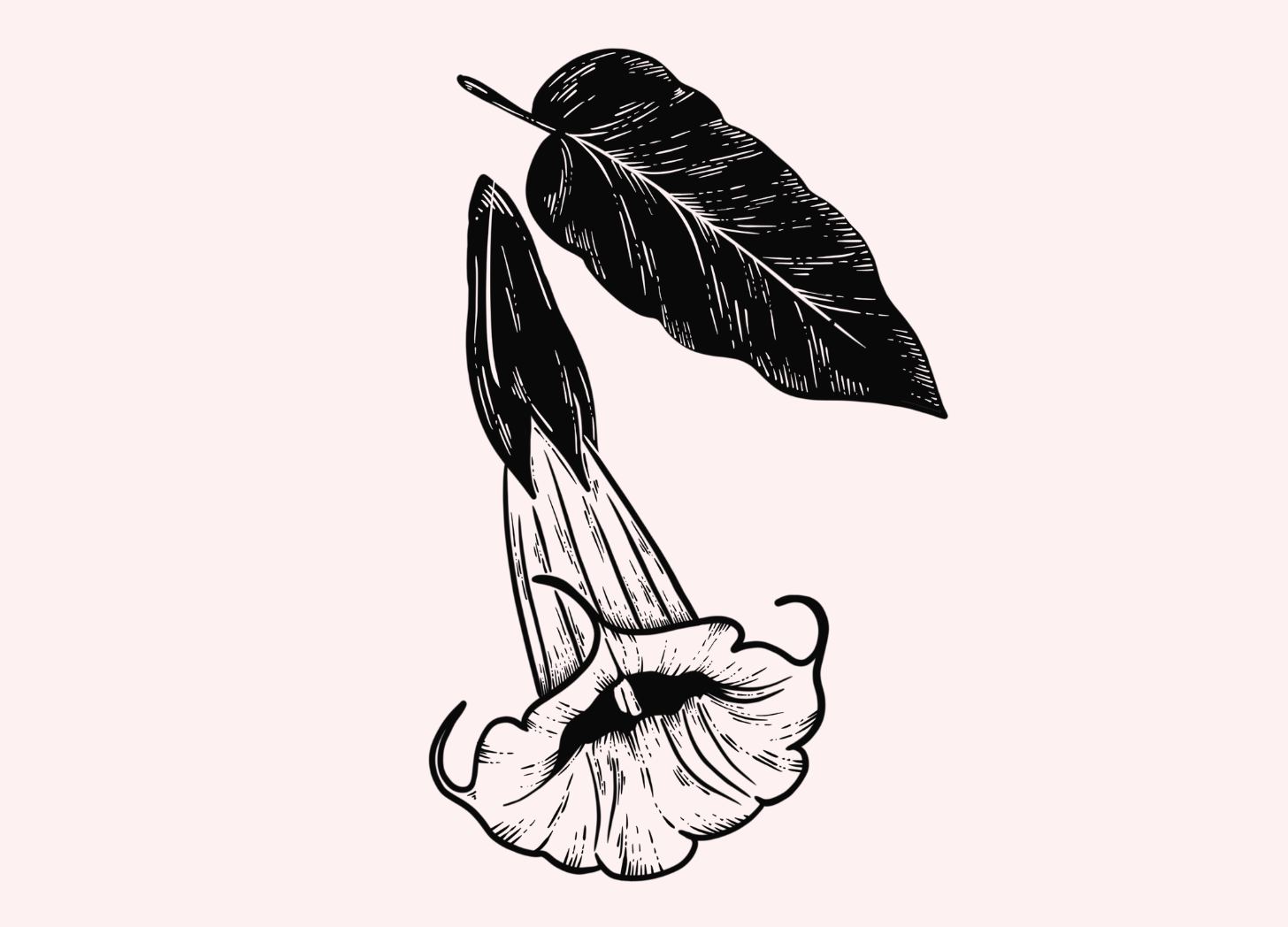
I've decided to include the boracherro tree on this list — but I need to be absolutely clear that I DO NOT RECOMMEND TAKING BORACHERRO. I grow one in my own garden out of curiosity and admiration for the plant itself — but from a safe distance.
This tree is closely related to datura, belladonna, and mandrake — each of which contains a cocktail of tropane alkaloids that work to block the parasympathetic nervous system.
One of the side effects of this action is to produce bizarre hallucinations. These hallucinations are different from conventional psychedelics in that the user loses the ability to differentiate between what's real and what's imagined. Substances that cause this effect are called deliriants.
People who use boracherro (or datura) often report having in full-length conversations with people that aren't there or wandering off into dangerous situations while completely unaware of their surroundings. The visuals these plants produce are often dark and unsettling but feel "more real than reality itself."
The catch is that these plants are also highly toxic — leading to rapid heart rate, high body temperature, and dry mouth and skin. Hospitalization or death are a serious risk in doses just slightly higher than the psychoactive threshold.
Some shamans in South America use the Boracherro tree for its visionary qualities, and a few even mix the herb with ayahuasca to enhance its visionary state — but even these experienced practitioners exercise extreme caution and treat the plant with deep reverence.
I grow boracherro because I find it fascinating, but I will likely never taste its dangerous fruit.
Another good reason to include this enchanting tree in your garden is for its stunning trumpet-shaped flowers, which are in a vibrant array of colors. Their large, tubular shape also does the great work of attracting hummingbirds to the garden.
Boracherro Growth Specs:
Zones: 9–12
Light: Full sun to partial shade
Water: Moderate to high
Difficulty: Moderate
Sources: Plant World Seeds (🇺🇸), Ferri Seeds (🇨🇦)
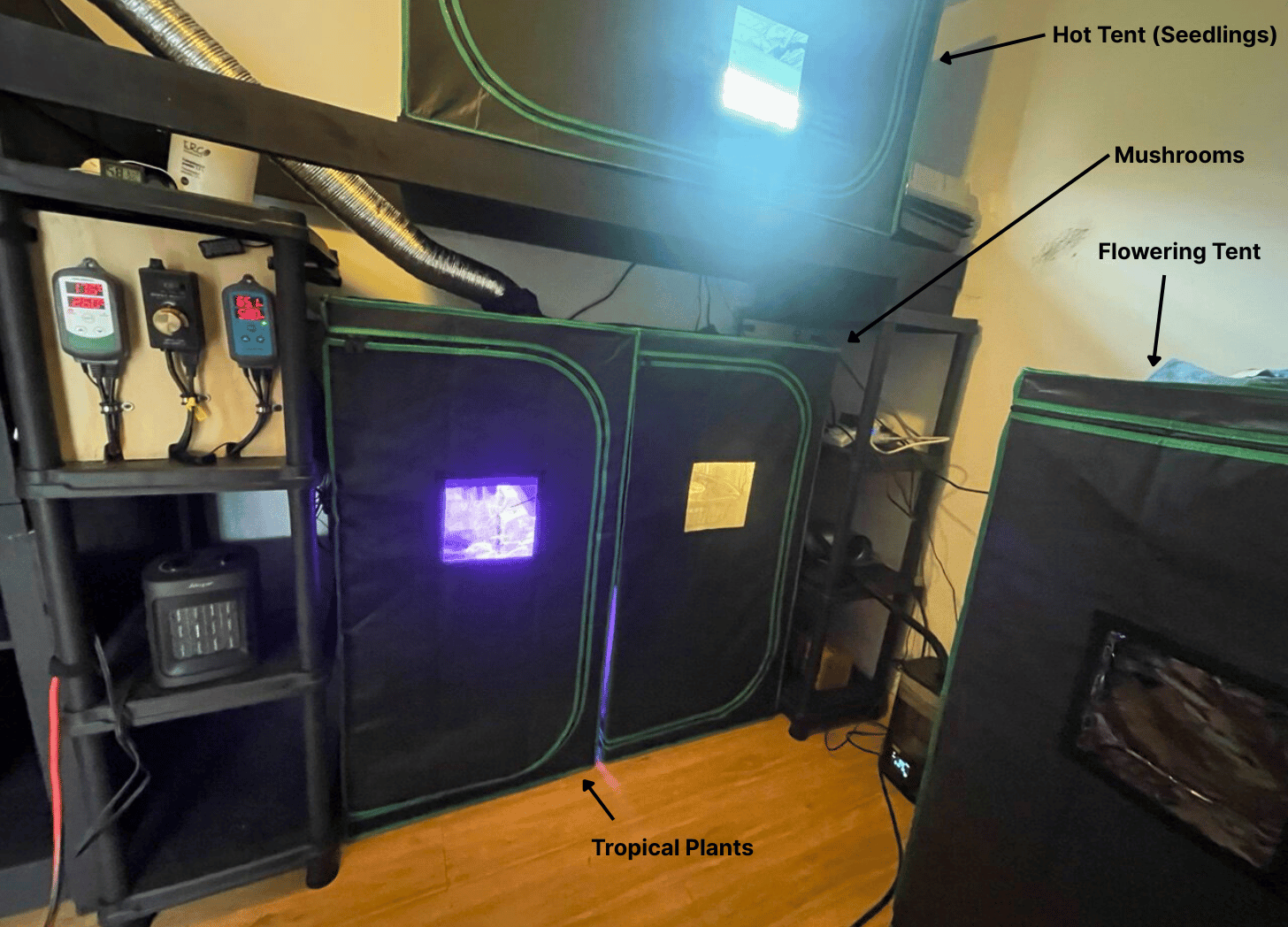
🌱 How to Set Up an Indoor Growspace (5 Simple Steps)
You don’t need a fancy setup or a ton of space to grow psychoactive plants (and fungi) at home. With just a few tools and a bit of planning, you can create a climate-controlled indoor environment that supports everything from mushrooms to mescaline cacti.
Here’s how to get started:
1. Create the Micro Environment
Start with a grow tent — any size works, but I prefer these 2x4 ft tents. You can set them up vertically for taller plants or lay them horizontally to fit more small ones.
Look for a tent with multiple ventilation ports and cinch straps to help control airflow and reduce unwanted gaps.
2. Set Up Your Lighting
Good lighting is key. My personal go-to is white fluorescent, which is cheap and works well for most plants. The potential downside is that they also generate a fair bit of heat, so you'll have to ensure good ventilation.
LED lights are another great option, albeit a bit pricier upfront. They use less electricity and generate almost no heat. This makes LEDs a better option for small spaces or hot climates.
Whatever light you go with, add a basic light timer to automate your day/night cycles — I typically go with 16 hours on, 8 off for most plants. For mushrooms or plants, I want to force into flowering, so I use 12 on and 12 off.
3. Keep The Air Moving
A small ventilation fan makes a big difference. It keeps fresh air circulating, prevents mold, and helps manage heat buildup. I prefer these 4-inch inline duct fans by Vivosun, but any small fan will do the trick.
4. Control Humidity & Temperature (If Needed)
If you’re growing mushrooms or tropical plants like salvia or ayahuasca, you’ll need to dial in the humidity. I use a reptile fogger with an extension hose to maintain moisture levels near 100% inside the tent.
For colder environments, a seedling heat mat is an easy way to keep the soil warm and encourage root growth. Depending on what you're growing, you might need a few of these to bring the temperature up to that idealic 20–25ºC (68–77ºF).
5. Choose Your Growing Medium
Your grow medium is where your plant’s roots (or mycelium) live. It's easy to feel overwhelmed with all of these options, and each has its own set of pros and cons. Generally speaking, all methods will work perfectly well for the vast majority of plants.
Hydroponics — Great for herby plants like cannabis and tobacco. It's a little more complex to set up but delivers rapid, vigorous growth. If you don't know where to start, go for the cheap and effective Kratky method.
Soil — The easiest and most beginner-friendly method for hardy herbs and flowering plants. Make sure to match the soil mix to your plant (tropical mix for tropical plants, cactus/succulent mix for cacti, or general-purpose loam for almost everything else).
Coco coir (hybrid hydro/soil method) — Think of this as a middle ground between traditional soil and hydro. It acts like soil but relies on the use of hydroponic nutrients and drip-fed systems to thrive. This substrate works great for mugwort, salvia, calea, and other leafy herbs.
Mushrooms are a whole different ballgame. I recommend starting with the BRF Tek for beginners. You’ll find my full guide here. For deeper dives, check out The Mushroom Cultivator by Paul Stamets or Psilocybin: Magic Mushroom Grower’s Guide by Terence and Dennis McKenna.
If you want to see more cultivation or gardening-related content from us, make sure to hit the like button so we know you're ready to get your hands dirty.
Further Reading
Grow Tall, San Pedro: The Resilient Cactus' Fight for Survival
The Story of P. tampanensis: Psychedelia, Murder, & the Evolution of Magic Truffles
Enjoying Tripsitter? 🍄
Don’t Journey Alone! Tripsitter was built by a community of psychedelic advocates — but it’s people like you that allow us to thrive.
You can also follow us on Bluesky or subscribe to our Reddit.