

Breaking the Binary: Psychedelics, Jung, & the Dance of Anima & Animus
Psychedelics don’t change who we are — they strip away the costume. Behind the mask of “masculine” or “feminine,” they reveal something far older, freer, and harder to pin down.


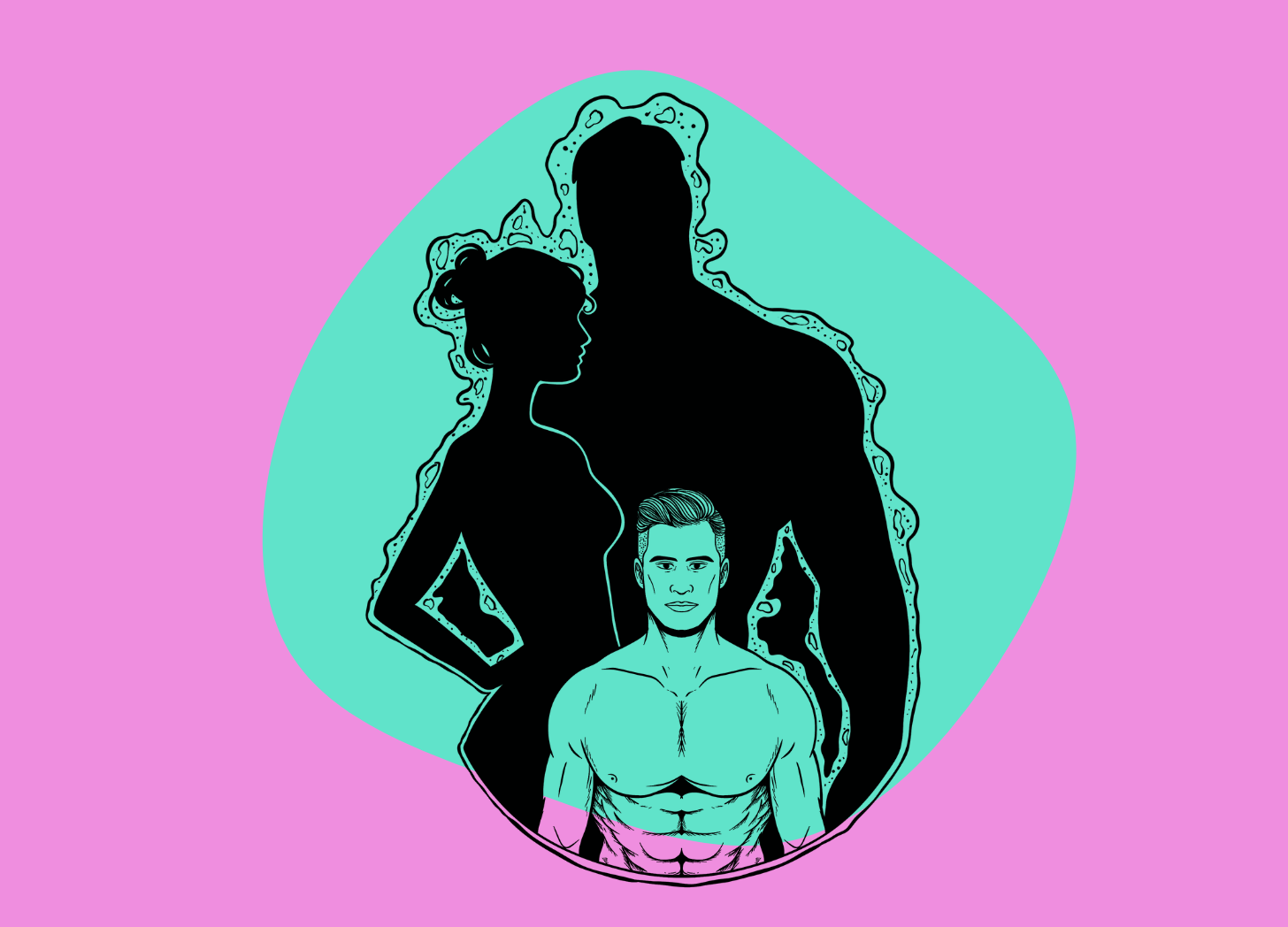
For more than a century, mainstream culture has policed gender norms.
Psychedelic spaces, by contrast, have reliably cracked those walls wide open.
In 1967’s Summer of Love, men let their hair grow long, traded suits for beads and robes, and cast off the rigid armor of postwar masculinity.
Women seized the mic and stepped into positions of power that had long been off-limits — adding fuel to the cultural fire that eventually led to the women’s liberation movement.
These shifts reflect more than fashion or rebellion — they highlight psychedelics’ unique role in loosening the cultural scripts that tell us how we should (and shouldn't) present ourselves to the world.
This pattern continues today. At Burning Man, psytrance festivals, and ayahuasca retreats, it’s not unusual to see men openly weeping, dressed in skirts or glitter, or adorning themselves with flowers and body paint.
On Tutu Tuesday at Burning Man, for example, thousands of men and women alike don frilly skirts — a ritualized inversion of today's gender codes.
Rave dance floors and psychedelic gatherings encourage the same openness — men in flowing fabrics, painted nails, and sequins — expressions of softness and vulnerability you rarely see in everyday life.
Women, meanwhile, command ceremonies and DJ booths with a fierce presence, project authority, and channel an overall more archetypal warrior energy — aggressive, dominant, and unapologetically powerful.
Psychedelic spaces consistently blur the lines and create room for qualities our culture usually pushes underground.
And it’s not just anecdotal. A 2025 study published in the Journal of Sex Research found that psychedelics strongly influence sexuality, intimacy, and even gender identity. Among nearly 600 participants, 70% said psychedelics shifted how they saw sex and intimacy, while about 10% described shifts in gender identity or expression — including experiences of gender fluidity and feeling waves transitioning from masculine to feminine.
Perhaps the most striking finding was that a quarter of women and one in eight men reported increased same-sex attraction following psychedelic use.
Why do psychedelics invite gender fluidity? Why does it surface in every era and gathering where they appear?
There are plenty of ideas as to why this happens, but to me, it all comes back to Carl Jung’s idea of the anima and animus — the often suppressed inner masculine and feminine qualities in all of us — and the unique ability psychedelics have to open the doors we usually keep locked against them.
Well… that and the fact that culture itself is a costume we wear to fit in, forgetting that we can always change outfits.
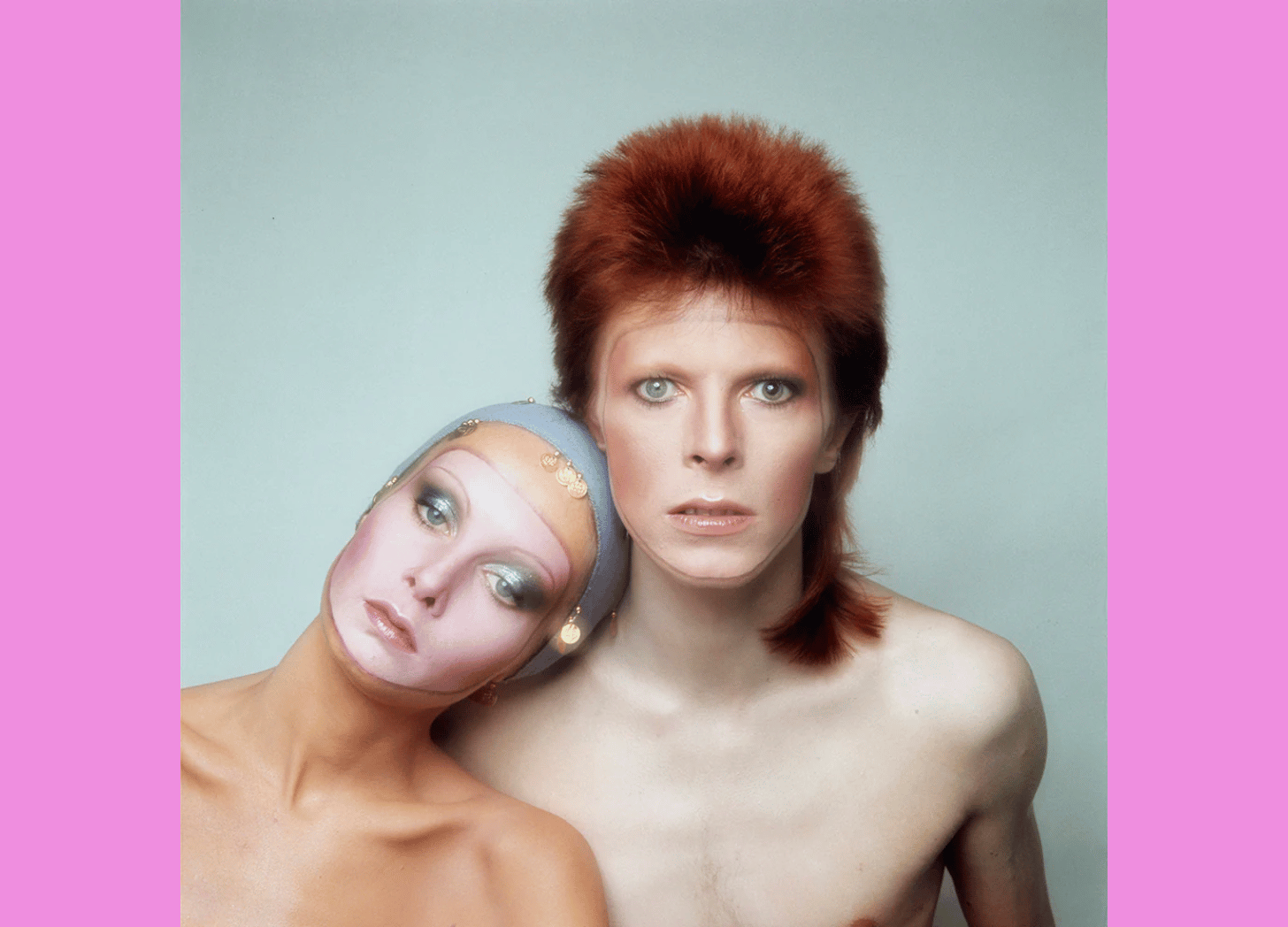
Psychedelics & the Anima/Animus
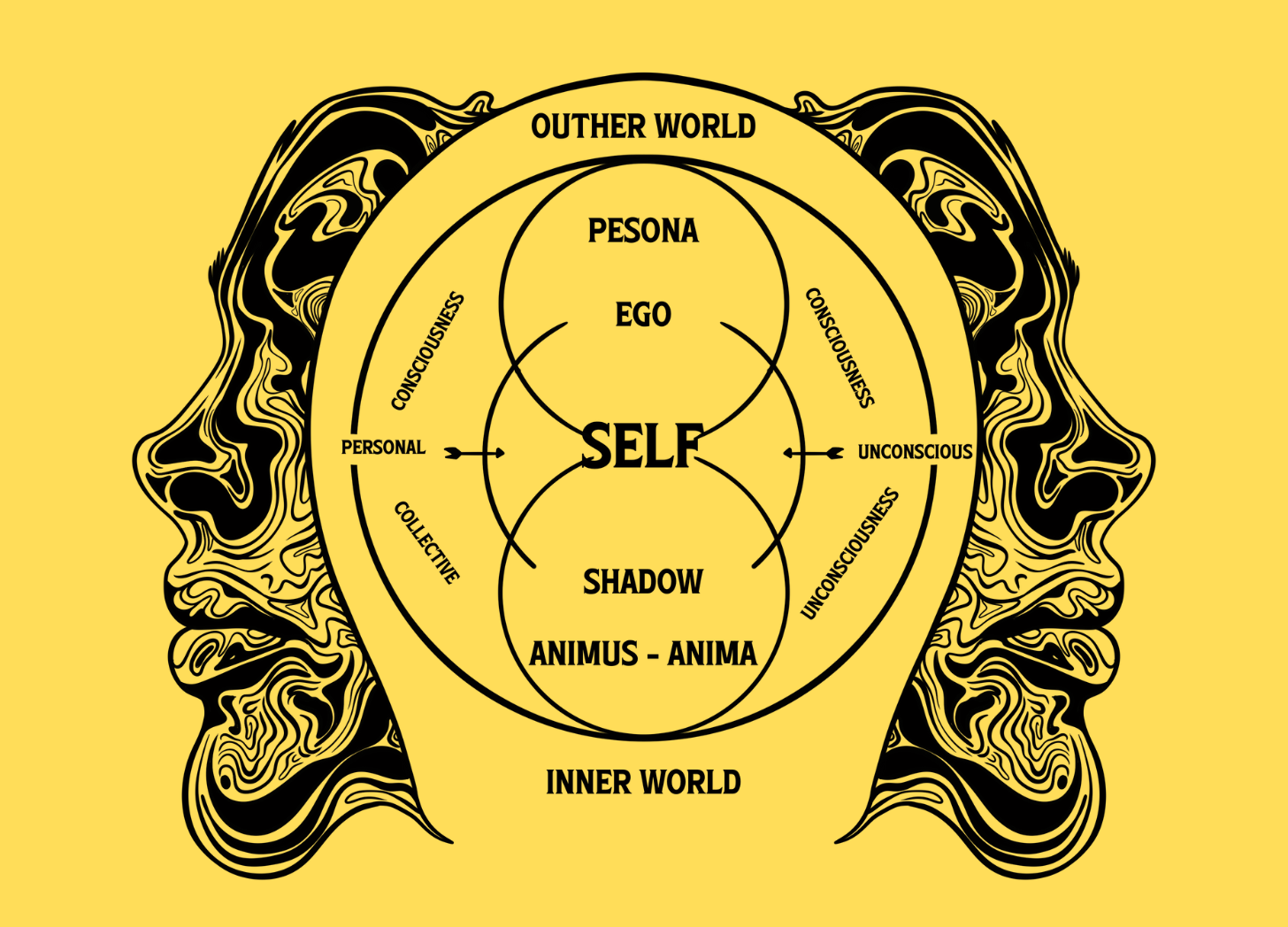
Psychedelics don’t “make” people gay, straight, masculine, or feminine. What they do is help dissolve the unhealthy internal barriers we build to protect a socially acceptable persona — which is the mask we wear when we present ourselves to the world.
Our persona is shaped by culture, upbringing, and social expectation. It embodies all the traits we want the world to see in us. It's a blend of real, authentic traits combined with adapted ones we perform to fit in.
Maintaining the mask requires more than just performance — each of us builds barriers to suppress the parts we fear or reject about ourselves and hide them from the world.
One of the many elements we hide in the depths of our unconscious mind is what Carl Jung called the anima and animus.
The anima, in men, represents the inner feminine — sensitivity, intuition, vulnerability — qualities often suppressed to maintain toughness or control.
The animus, in women, represents the inner masculine — clarity, authority, and strength — qualities often pushed down to avoid being seen as ‘too much’ or unfeminine.
Legendary psychologist, Carl Jung, argued that cultivating a free-flowing relationship with our inner masculine and feminine tendencies is a critical step in the process of individuation…
Individuation, in Jung’s words, is the lifelong task of moving beyond one-sidedness and embodying the totality of who we are. It’s the journey of becoming whole — more clear-headed, more joyful, and more authentic.
When psychedelics lower the defenses of the persona, anima/animus qualities can surface in ways that can feel threatening at first — but liberating later on.
For some, it can mean experiencing attraction, self-expression, or identity outside the rigid boundaries of heteronormativity or culturally accepted gender binaries.
Far from imposing something new, psychedelics allow us to live more freely and consciously — not by manufacturing traits, but by revealing what was already waiting in the depths of our minds.
Gender Norms: From Pathology to Possibility
Mainstream psychology has spent the past century enforcing the gender binary — treating deviation from rigid roles as a sign of pathology.
Yet psychedelic spaces, from the 60s to today, have consistently done the exact opposite — breaking those roles wide open and inviting a much freer spectrum of expression.
A recent review of 100 years of sex-differences research (Journal of Psychology of Women Quarterly, 2021) shows just how entrenched this binary once was:
Early 1900s: At the turn of the century, women’s supposed inferiority was “proven” through pseudoscientific methods like craniometry, which claimed a smaller skull size meant less intelligence.
1930s: Psychologists Terman and Miles developed the Masculinity–Femininity Scale (1936), which coded responses to word associations and interests as either masculine or feminine. The test enshrined a binary continuum of gender expression, presenting “normality” as alignment with one’s assigned sex.
Mid-20th century: In the 1940s and 50s, theories of family and social structure framed rigid sex roles as not only natural but necessary for mental health. Male breadwinners were seen as “instrumental leaders,” while women were “expressive caregivers.” Deviation from these roles was pathologized.
Shocking News: After a century of studies, researchers now recognize that most apparent sex differences are small, context-dependent, and largely shaped by culture rather than biology.
Where psychology once enforced conformity to the binary, psychedelics appear to dissolve it — surfacing the hidden anima/animus in all of us that culture has long suppressed.
What Embracing the Anima & Animus Looks Like
So what does it really mean to embrace the anima and animus?
For men, embracing the anima can mean dropping the armor of toughness and letting vulnerability, intuition, and softness come through. It’s the man who finally lets himself cry and be vulnerable, who trusts his inner voice over rigid logic, who discovers the strength in softness — holding a friend through grief, dancing with abandon, or creating art from the heart instead of the ego.
For women, embracing the animus can mean stepping fully into positions of authority and power without shrinking back. It’s the woman who takes the lead, speaks with conviction in a room that expects her silence, and sets firm boundaries without padding them in apology.
Psychedelics are just one way to help us lower the mask of the persona and let these innate, but hidden qualities rise to the surface.
The work afterward is called integration — it's the task of carrying hidden and life-changing insights into daily life instead of leaving them behind in the haze of the trip.
Just a few examples of what I think this could mean:
On psilocybin, you finally let yourself cry — afterward, you start sharing emotions with your partner instead of shutting down.
In an ayahuasca ceremony, you connect with your inner masculine — back at work, you set firm boundaries without apology.
After experimenting with costume at a festival, you bring that playfulness into daily life — painting your nails, trying new colors, wearing flowing fabrics.
A wave of same-sex attraction on MDMA lingers — instead of dismissing it, you sit with the feelings in sober reflection and explore what they might mean.
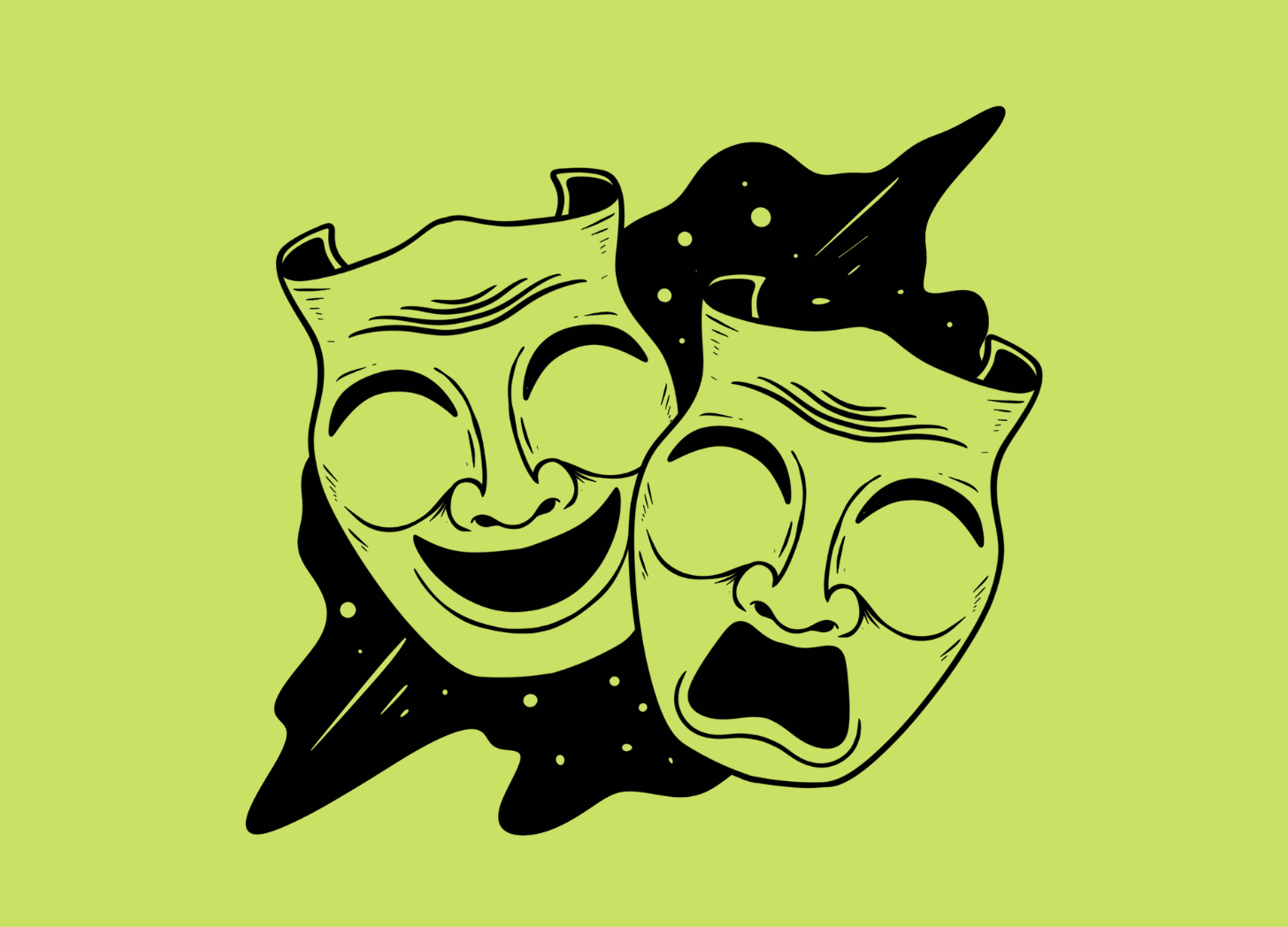
Culture is a Costume
"We're all born naked, the rest is drag" — RuPaul
Every social norm we inherit is, at its core, made up. The fact that men wear pants and women wear dresses is no more “natural” than powdered wigs in the 18th century or toga robes in ancient Rome. These customs feel timeless only because we’re born into them. Strip them away, and what’s left is simply a human being.
RuPaul’s famous line captures this truth — that everything layered on top of our nakedness is simply drag.
Clothing, hairstyle, posture, speech patterns, even the way we express emotion — are all costumes stitched together by culture. What one era calls masculine, another might call feminine. What one society represses, another might celebrate.
Psychedelics loosen those walls. They remind us that behind the costume is a fluid, creative psyche that doesn’t need to be defined by rigid rules.
If all gender expression is drag, then the psychedelic experience is a kind of undressing — a chance to step out of the persona and encounter the archetypal currents beneath.
It's not about changing who we are, but about reclaiming what was always there.
Further Reading
Enjoying Tripsitter? 🍄
Don’t Journey Alone! Tripsitter was built by a community of psychedelic advocates — but it’s people like you that allow us to thrive.
You can also follow us on Bluesky or subscribe to our Reddit.